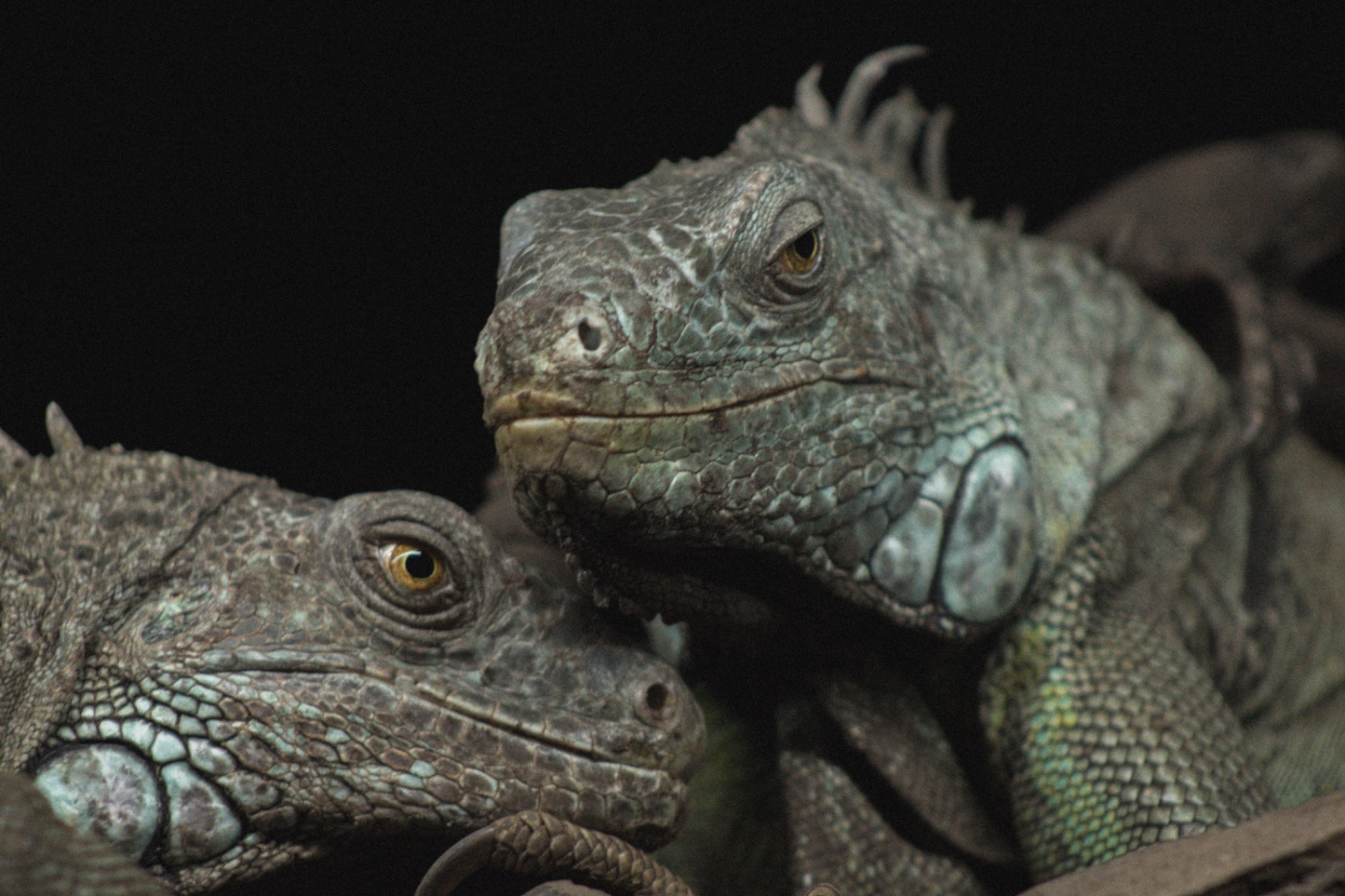
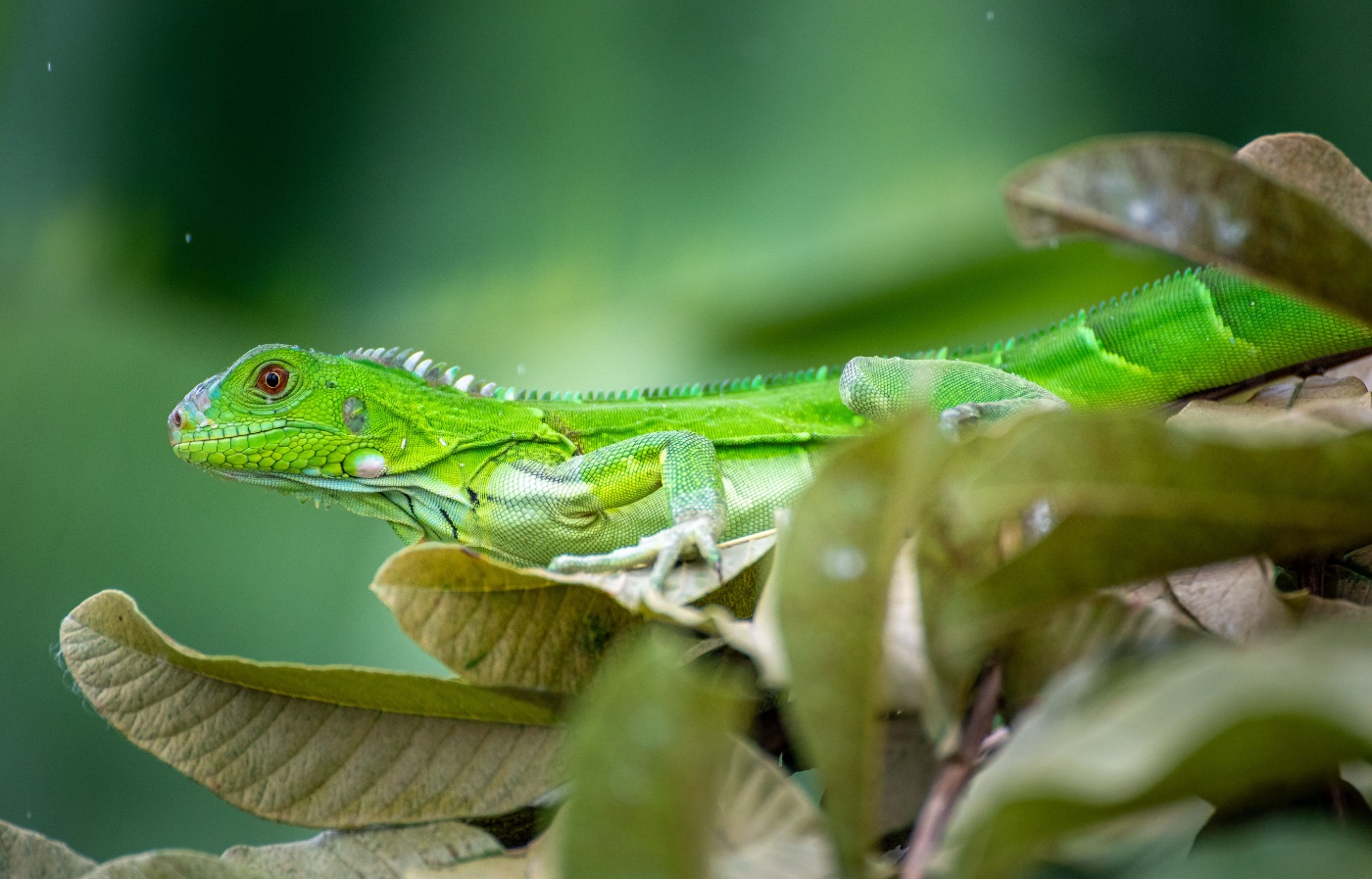
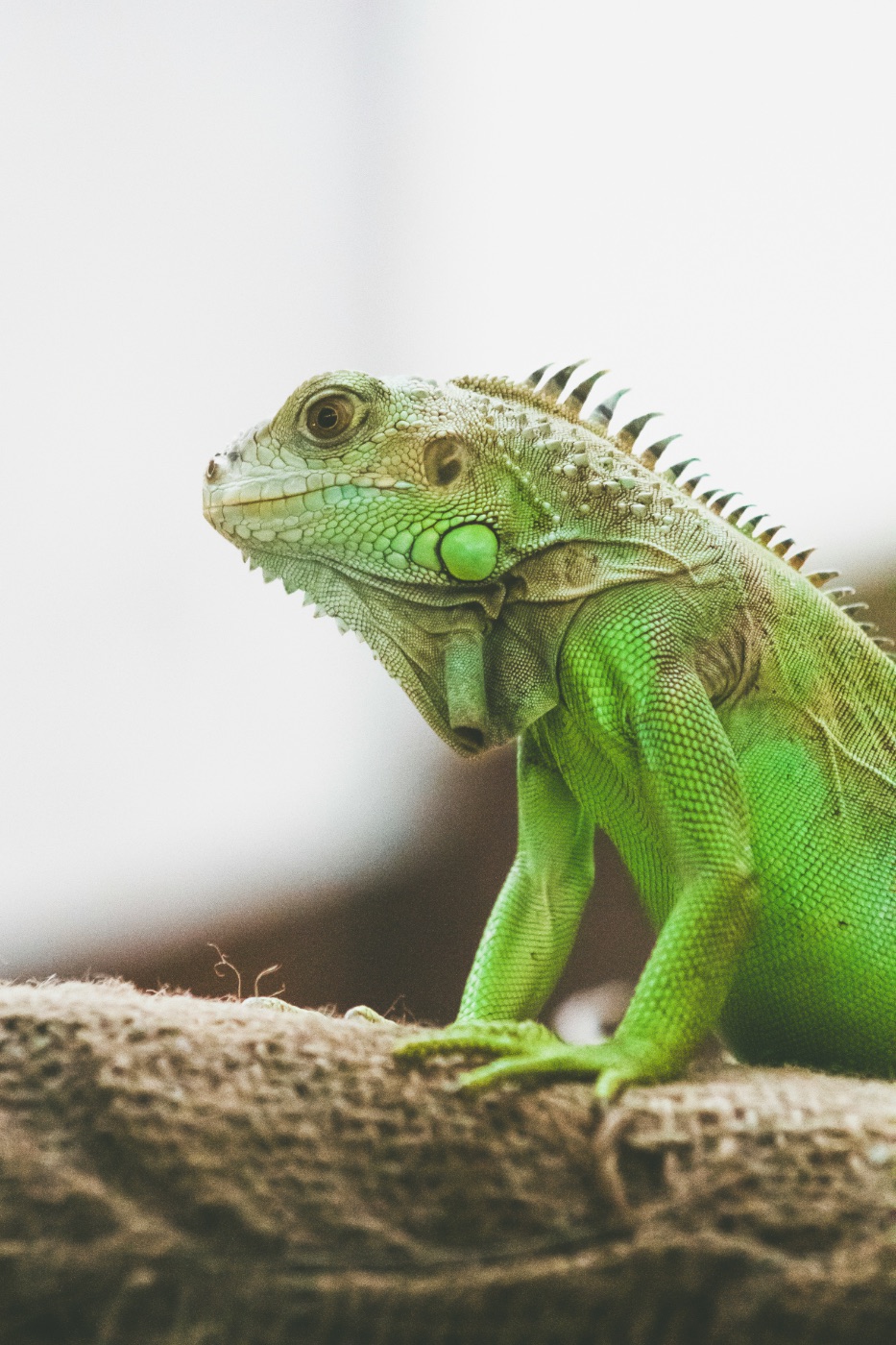
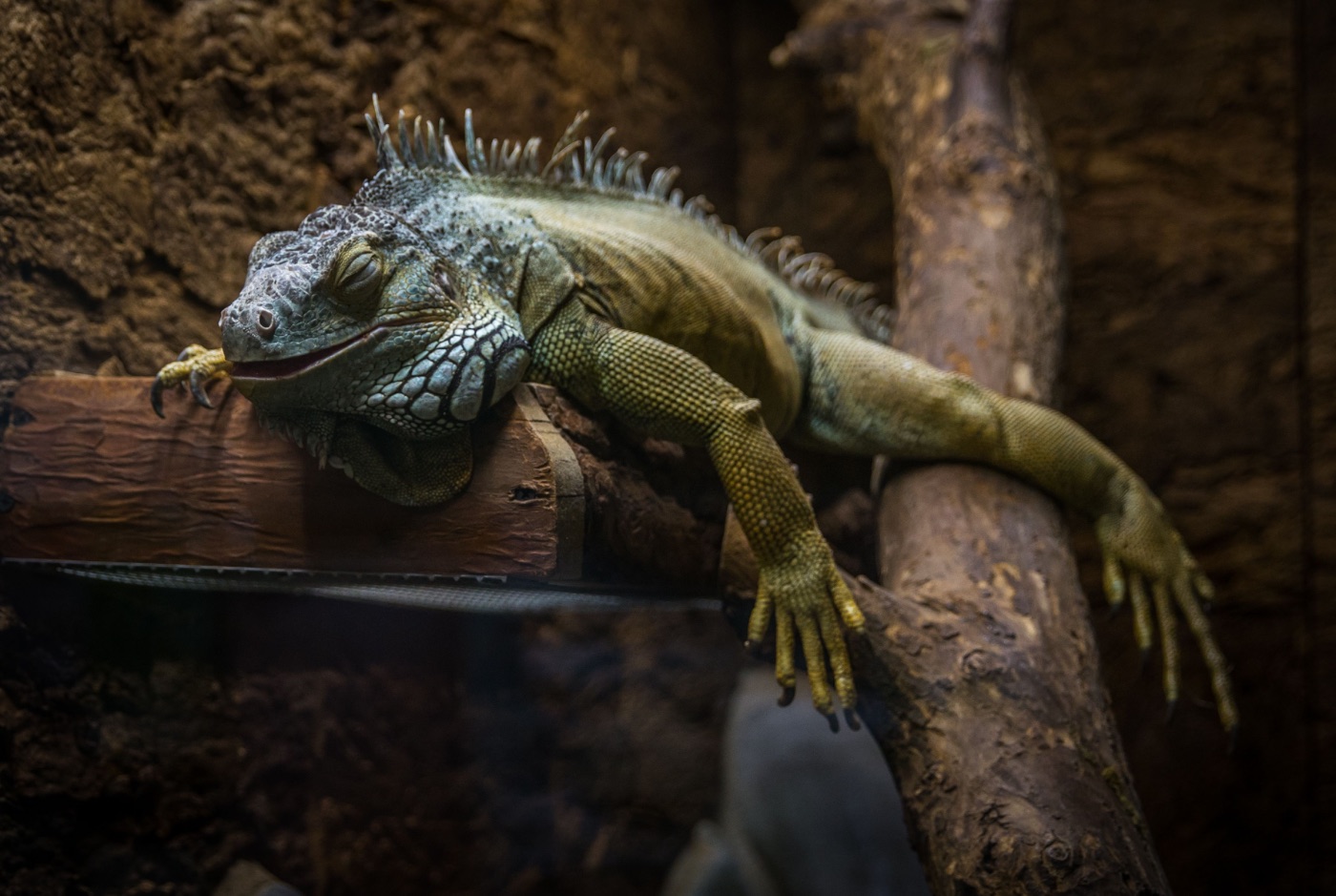
The Green Iguana(Iguana iguana) is one of the largest and most recognizable pet lizard species. It is a primarily arboreal and herbivorous reptile, known for its striking appearance and impressive size. Green iguanas possess a robust body, a large head, powerful limbs with long claws for climbing, a muscular tail, a prominent dewlap beneath the throat and a row of spines running along the neck, back and part of the tail.
Despite their common name, Green Iguanas are not always green. Juveniles are typically bright green, which helps them blend into vegetation, while adults can display a wide range of colors including green, gray, brown, orange, red, yellow or even bluish tones. Many individuals also develop darker markings or bands across the body and tail.
This species is native to a large portion of Central and South America, ranging from southern Mexico through countries such as Belize, Honduras, Costa Rica, Colombia, Venezuela, Brazil, and Paraguay. Green iguanas are also found on numerous Caribbean islands and have established introduced populations in regions including Florida, Hawaii, Taiwan, Singapore and Thailand. In the wild, they thrive in warm, humid tropical environments where they spend much of their time in trees near water sources.
Green Iguanas are among the largest lizards commonly kept in captivity. Adult males can reach lengths of 1.8–2.1 meters (6–7 feet), while females are generally smaller, usually reaching around 1.5 meters (5 feet). With proper care, nutrition, and housing, these reptiles can live for 15–20 years or more, making them a long-term commitment that requires significant space, time, and dedication from their keeper.
Enclosure Size
This large arboreal lizards grow rapidly and require increasingly larger enclosures as they mature. Providing enough space is essential for their physical health and mental well being.
Please note that this enclosure is suitable only for juvenile Green Iguanas. Due to their rapid growth rate and large adult size, an upgrade to a much larger enclosure will be necessary within a relatively short period of time.
The dimensions listed above are minimum recommendations, larger is always better. Many keepers choose to dedicate an entire room or build a custom walk in enclosure to meet the animal's needs.
Temperature
They require a warm thermal gradient that allows them to regulate their body temperature throughout the day.
Basking area: 50°C(120°F)
Warm side: 29–32°C(84–90°F)
Cool side: 24–27°C(75–81°F)
Night temperature: 23–28°C(73–84°F)
Temperatures should be monitored using reliable digital thermometers, with probes placed at both the basking area and the cooler end of the enclosure. A proper temperature gradient is essential for digestion, immune function, and overall health.
Heating equipment should be connected to an appropriate thermostat to prevent overheating and maintain stable temperatures.
Humidity
Green Iguanas originate from tropical environments and require relatively high humidity levels to remain healthy.
Maintaining proper humidity helps support healthy skin, proper shedding, hydration and respiratory health. Humidity can be increased through regular misting, the use of live plants, large water containers, and moisture retaining substrates when appropriate.
Humidity levels should be monitored using a reliable digital hygrometer. While high humidity is important, adequate ventilation must also be provided to prevent stagnant air and reduce the risk of respiratory issues.
Lighting
This tropical species require proper lighting to maintain their health, metabolism and natural behaviors. A correct lighting setup should include both UVB lighting and a basking light.
UVB Lighting: A high quality UVB source is essential for Green Iguanas because it allows them to produce vitamin D3, which helps absorb calcium and maintain strong bones. A T5 high output UVB tube is recommended, covering a large portion of the enclosure. UVB bulbs should be replaced according to the manufacturer's recommendations, even if they still produce visible light.
Basking Light: A strong basking lamp should be provided to create a warm basking area where the iguana can regulate its body temperature.
Lighting Schedule: Provide approximately 10–12 hours of light per day, followed by a natural dark period at night.
Diet
Green Iguanas are strict herbivores and should be fed a varied diet consisting primarily of leafy greens and vegetables. A balanced diet is essential for proper growth, bone development and long term health.For optimal nutrition, the majority of a Green Iguana's diet should be made up of dark leafy greens(around 60%), supplemented with other vegetables(around 30%) and a smaller amount of fruit(around 10%).
Leafy greens:
Collard greens
Mustard greens
Dandelion greens
Turnip greens
Endive
Escarole
Arugula
Bok choy
Kale
Watercress
Hibiscus leaves and flowers
Mulberry leaves
Grape leaves
Opuntia cactus pads(prickly pear)
Romaine lettuce(occasionally)
Vegetables:
Bell peppers
Squash
Zucchini
Green beans
Snap peas
Carrots
Sweet potato
Okra
Broccoli(occasionally)
Vegetables should be finely chopped or grated into small, manageable pieces, as Green Iguanas swallow their food without chewing.
Fruits:
Apple
Banana
Berries
Grapes
Kiwi
Mango
Melon
Papaya
Hard or large fruits should be chopped into small pieces before feeding to make them easier to consume.
Edible flowers can also be offered as a nutritious addition to the diet. Suitable options include:
Dandelion flowers
Hibiscus flowers
Geranium flowers
Honeysuckle
Mallow
Petunias
Violets
Always ensure flowers and plants are free from pesticides or chemicals before offering them to your iguana.
The species should be offered fresh food every day. They have a fast metabolism and require a consistent supply of nutritious plant material to support healthy growth and body function.Fresh water should always be available and replaced regularly. Remove any uneaten food at the end of the day to maintain hygiene and prevent spoilage.
Also they require calcium and vitamin supplementation to support healthy bone development and prevent nutritional deficiencies. Use a calcium supplement without phosphorus several times per week and provide a reptile multivitamin according to the manufacturer's instructions, usually once every 1–2 weeks.
At Exotic Lives, we offer quality reptile supplements from Haquoss, including calcium powder, calcium with/without D3 and multivitamin supplements to help provide your Green Iguana with the essential nutrients needed for a healthy diet.
Green Iguanas are fascinating and rewarding reptiles, but they require a serious long term commitment due to their large adult size, specialized care requirements and long lifespan. Providing a spacious enclosure, proper heating, UVB lighting, high humidity and a balanced herbivorous diet are essential for keeping your iguana healthy and thriving. With the correct setup, regular care and attention to their needs, Green Iguanas can become incredible companion animals and live a long, healthy life.