← Back to BlogAmphibiansMarch 5, 2025
Dart Frog Care Guide
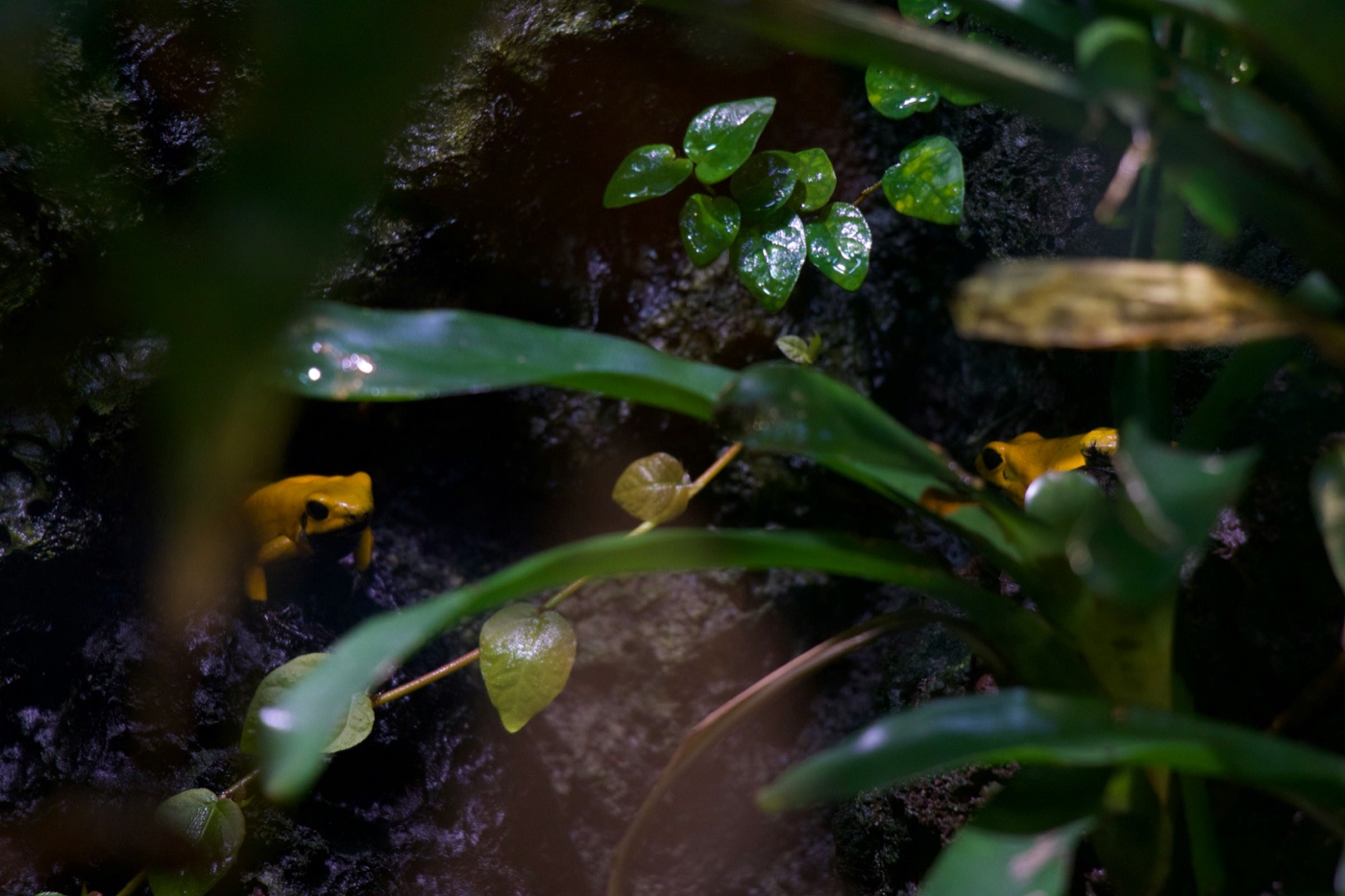
Dart frogs(Dendrobatidae) are among the most vibrant and fascinating amphibians in the world, captivating keepers and enthusiasts with their striking colors, small size, and unique behaviors.
There are many different species of dart frogs, each with its own appearance, habitat preferences, and care requirements, which makes them an incredibly diverse group to work with.
Most dart frogs are quite small, typically ranging from about 1.5 to 6 cm (0.6 to 2.4 inches) in length and weighing around 2 to 8 grams (0.07 to 0.28 ounces), depending on the species. Native to the tropical rainforests of Central and South America, these frogs thrive in warm, humid environments and play an important role in their ecosystems.
In the wild, some species produce toxins through their diet of ants, mites, and other small invertebrates, making them poisonous to predators as a natural defense.
Despite their delicate appearance, dart frogs can be hardy and rewarding to care for when their specific needs are properly met, often living around 10 to 15 years in captivity with proper care, and in some cases even longer. Whether you’re a beginner exploring the hobby or an experienced keeper looking to expand your collection, understanding the basics of dart frog care is the first step toward successfully keeping these incredible animals.
Enclosure Size
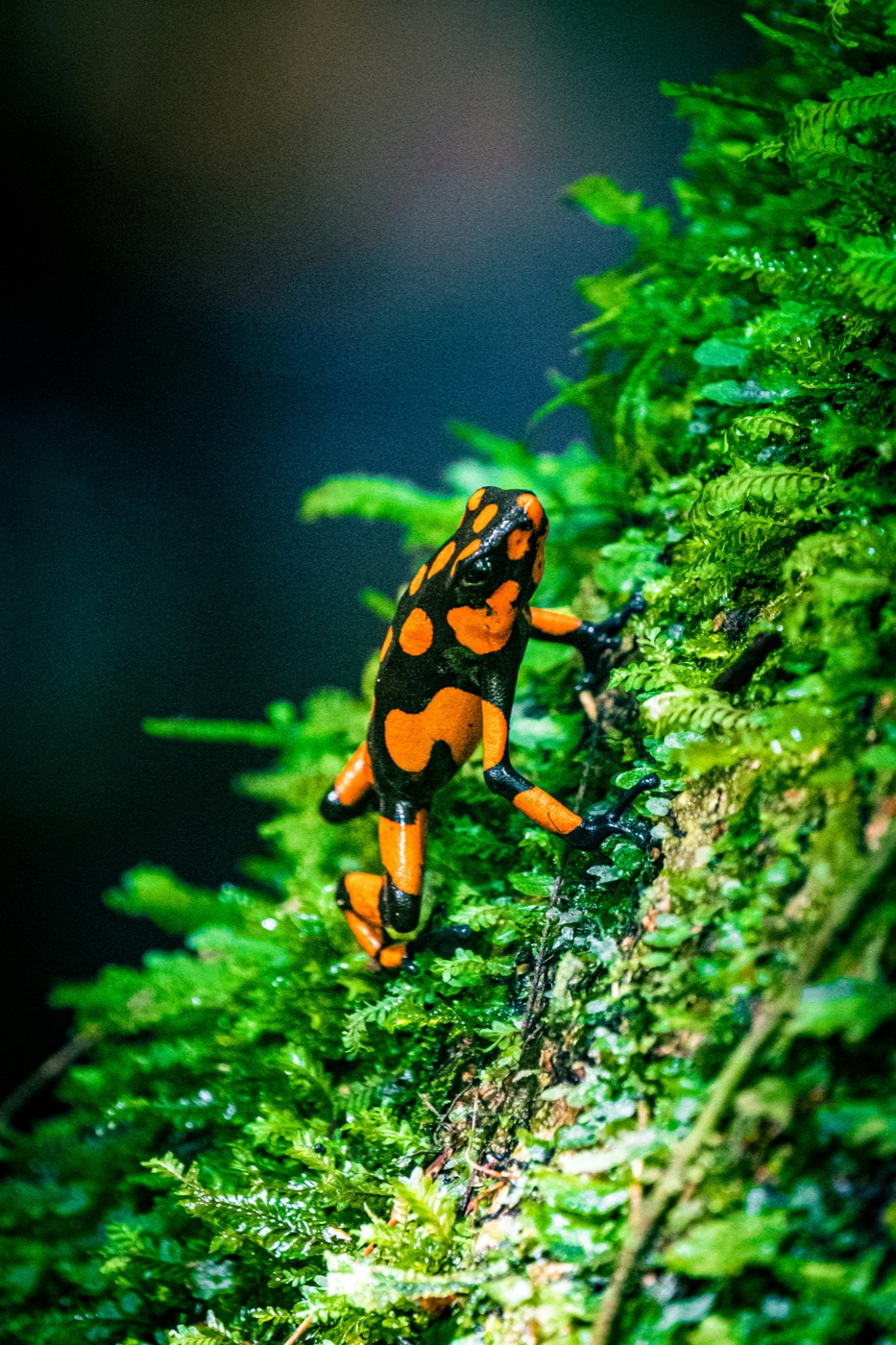
The appropriate terrarium size for dart frogs largely depends on the species you plan to keep, but a good general starting point is a front-opening enclosure measuring around 60×45×45 cm (24×18×18”). While this works as a minimum for many species, providing a larger enclosure is always beneficial, as dart frogs will make full use of the available space, especially in well planted, naturalistic setups.
It’s also important to consider whether your chosen species is more terrestrial or arboreal. For example, Phyllobates species tend to prefer ground-oriented environments, whereas Ranitomeya species thrive in vertically designed enclosures.
Planning the layout based on the specific needs of your species will help ensure a healthier and more natural habitat.
Temperature
Maintaining the correct temperature is essential for the health and well being of dart frogs.
Most species thrive in daytime temperatures ranging between 22–26°C (72–79°F), with a slight drop at night to around 18–22°C (64–72°F). It’s important to avoid temperatures above 28°C (82°F), as dart frogs are highly sensitive to heat and can quickly become stressed or even die if overheated.
Rather than using strong heat sources, it’s usually best to keep the enclosure in a naturally warm room and make small adjustments if needed. Stable, moderate temperatures that mimic their natural rainforest environment will help keep your frogs active, healthy, and stress free.
Humidity
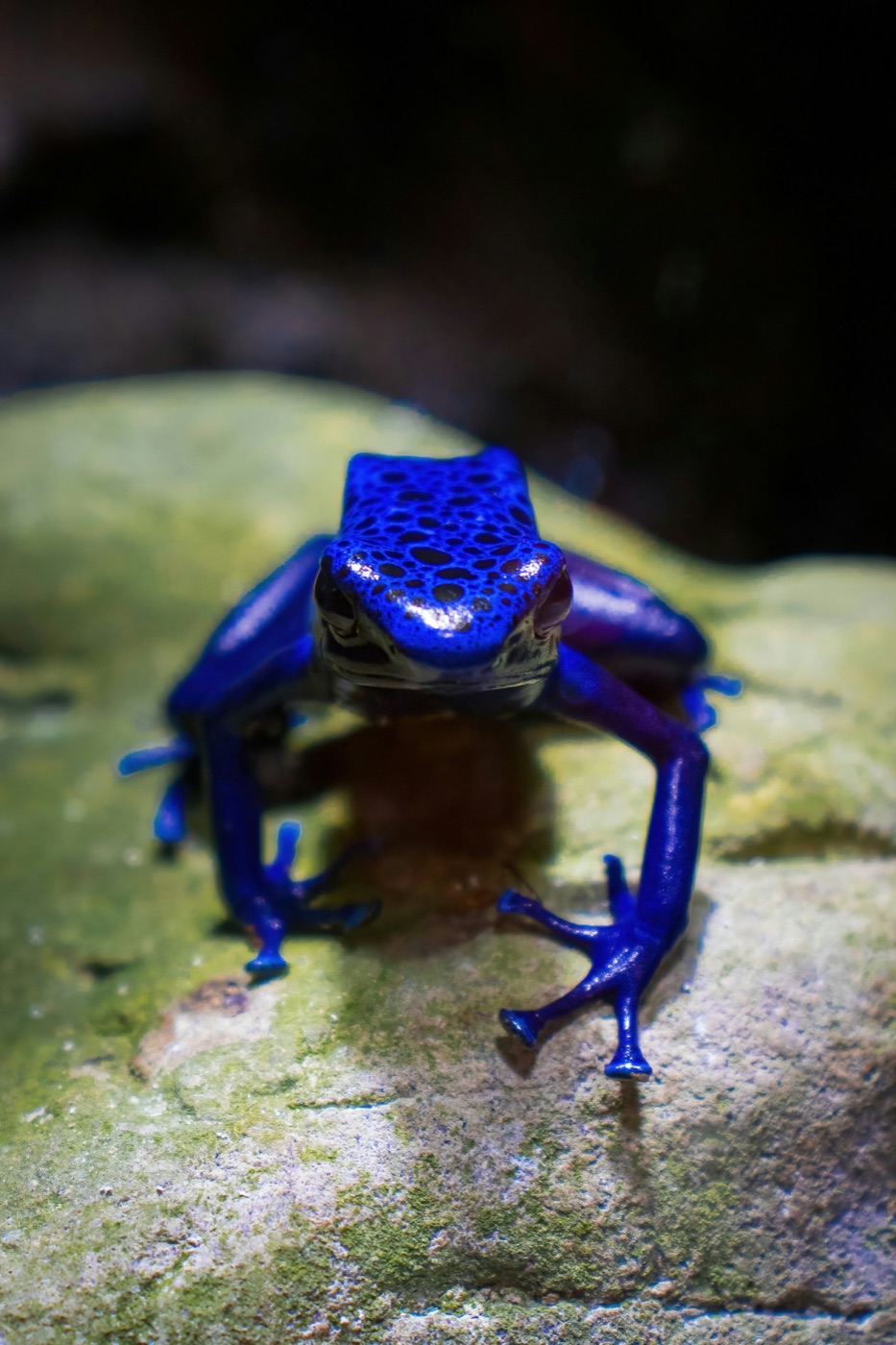
Proper humidity is crucial for dart frogs, as they naturally come from tropical rainforest environments where moisture levels are consistently high.
In most cases, humidity should be kept between 70–100%, with slight daily fluctuations to mimic natural conditions. Regular misting, along with a well-designed drainage layer and live plants, helps maintain stable humidity inside the enclosure.
While high humidity is important, good airflow is equally essential to prevent stagnant air and the growth of mold or harmful bacteria. A balanced setup that stays consistently humid but not overly wet will ensure your dart frogs remain healthy, hydrated, and active.
Lighting
Proper lighting plays an important role in maintaining a healthy dart frog enclosure, even though these frogs do not require intense or specialized lighting like some reptiles. A low to moderate light source is usually ideal, helping to support plant growth and maintain a natural day–night cycle inside the terrarium. Most setups use LED lights that provide a consistent 10–12 hour photoperiod each day.
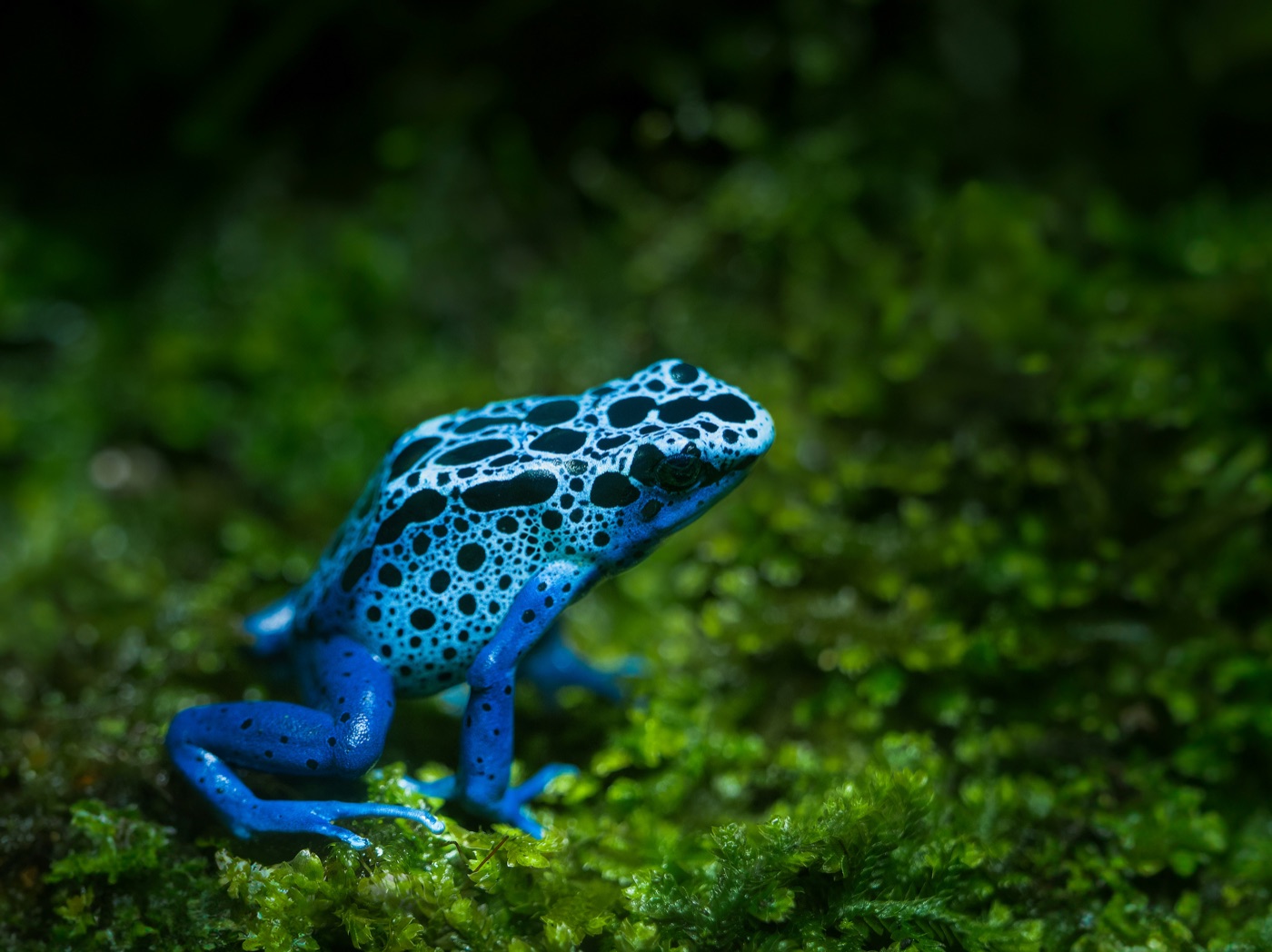
While dart frogs do not need UVB in the same way as many reptiles, some keepers still choose low level UVB for potential health benefits, though it is not essential. The key is to avoid overly bright or harsh lighting, as dart frogs naturally live in shaded, forest floor environments.
Diet
Dart frogs are insectivores, meaning their diet consists entirely of small live invertebrates. In captivity, they are commonly fed a variety of appropriately sized foods such as fruit flies (Drosophila melanogaster and Drosophila hydei), springtails, pinhead crickets, and other tiny feeder insects.
It is important to offer a varied diet to ensure proper nutrition and long-term health, rather than relying on a single food source.
In the wild, dart frogs consume a wide range of tiny prey, which is also the reason some species develop toxicity through their natural diet. In captivity, this toxicity is lost because their feeder insects do not contain the same compounds found in their natural environment.
Regular supplementation with calcium and vitamins is also essential to prevent deficiencies and support healthy growth and breeding.
In conclusion, dart frogs are truly remarkable animals that combine beauty, diversity, and fascinating natural behaviors. While they may require specific environmental conditions such as stable humidity, proper temperature and a carefully maintained terrarium, they are highly rewarding for keepers who take the time to meet their needs. With a well planned setup and a varied, nutritious diet, dart frogs can thrive in captivity and even display interesting breeding behaviors. Whether admired for their vibrant colors or their unique ecology, they remain one of the most captivating amphibians in the hobby.