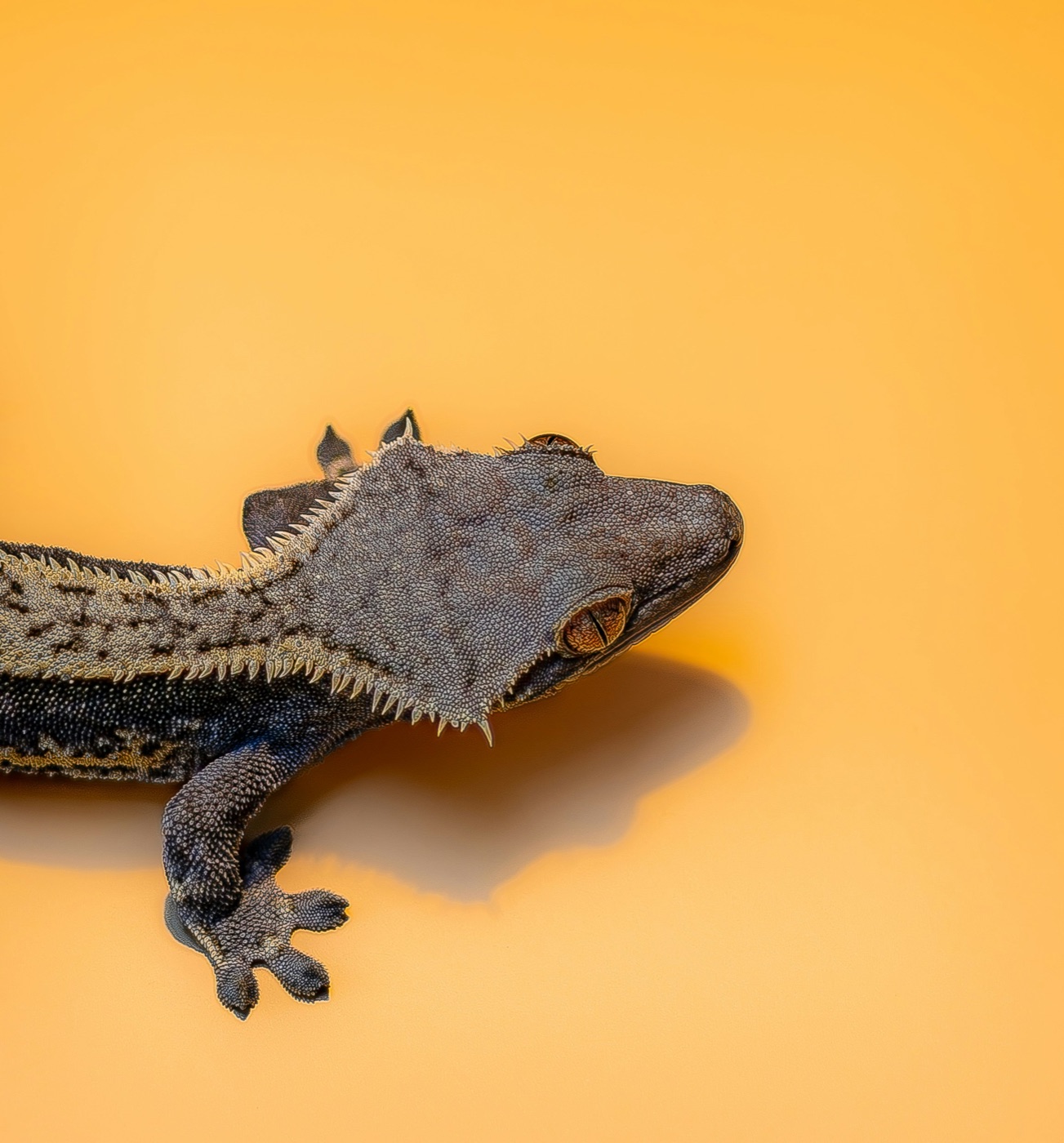
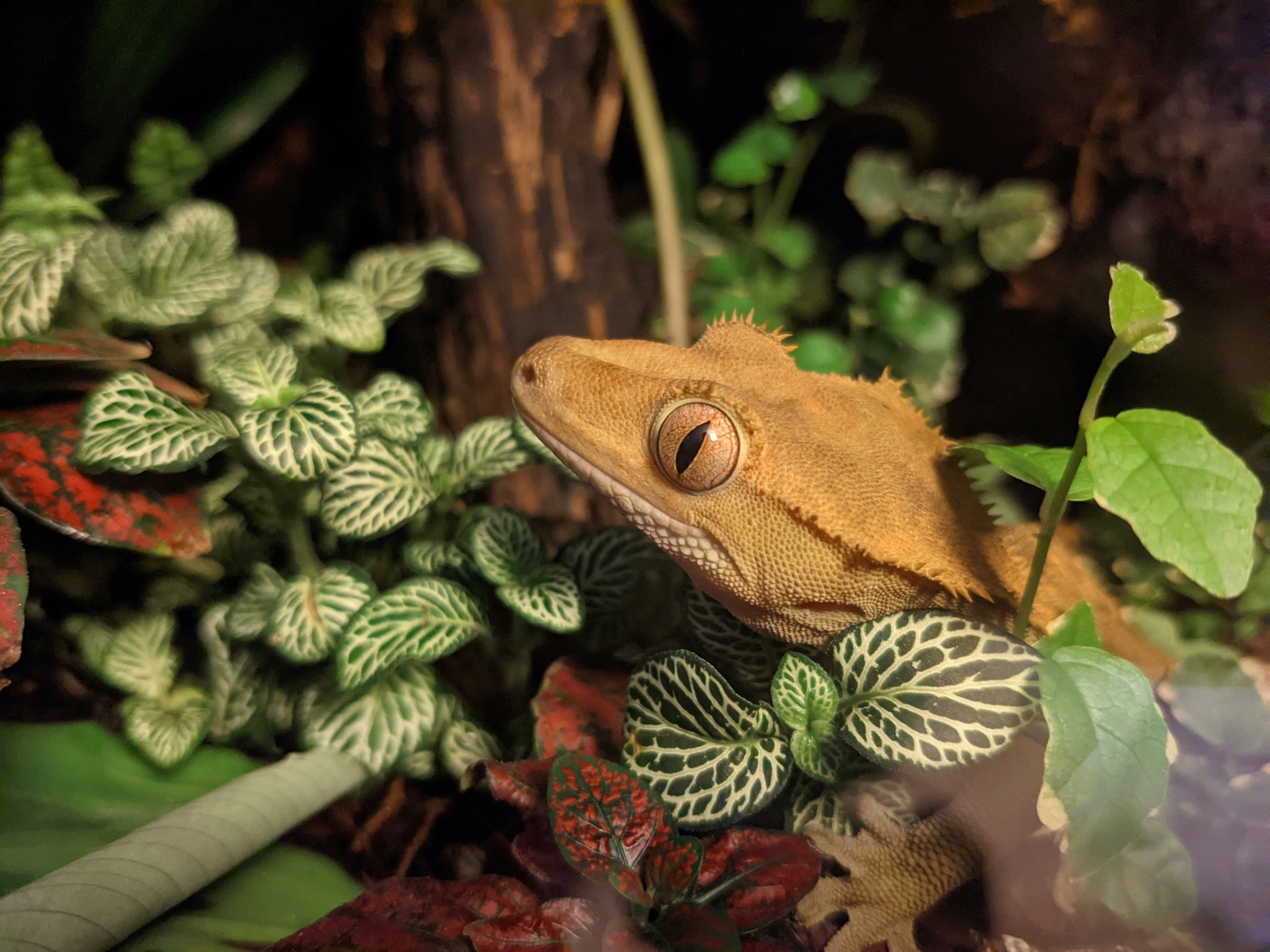
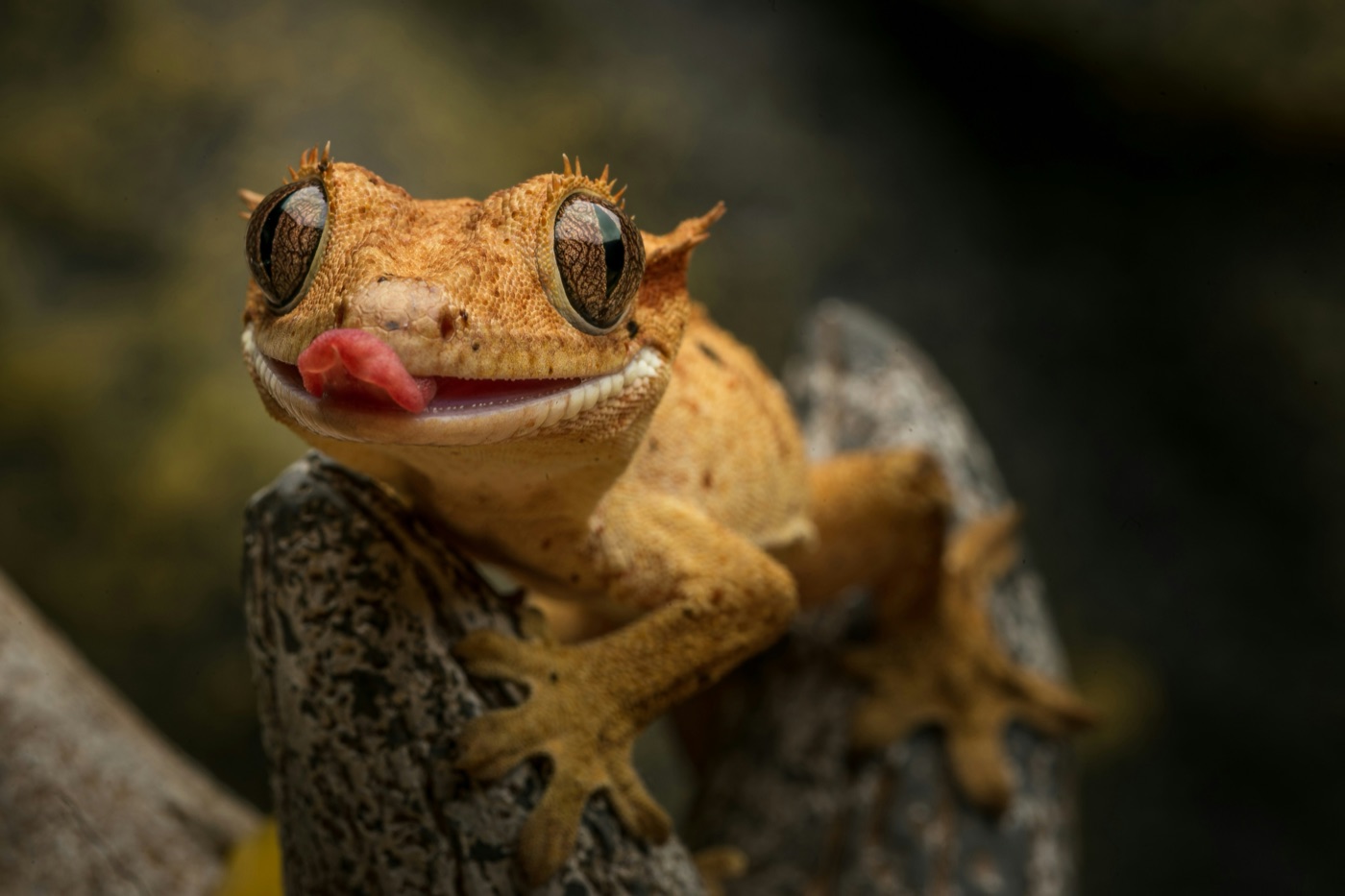
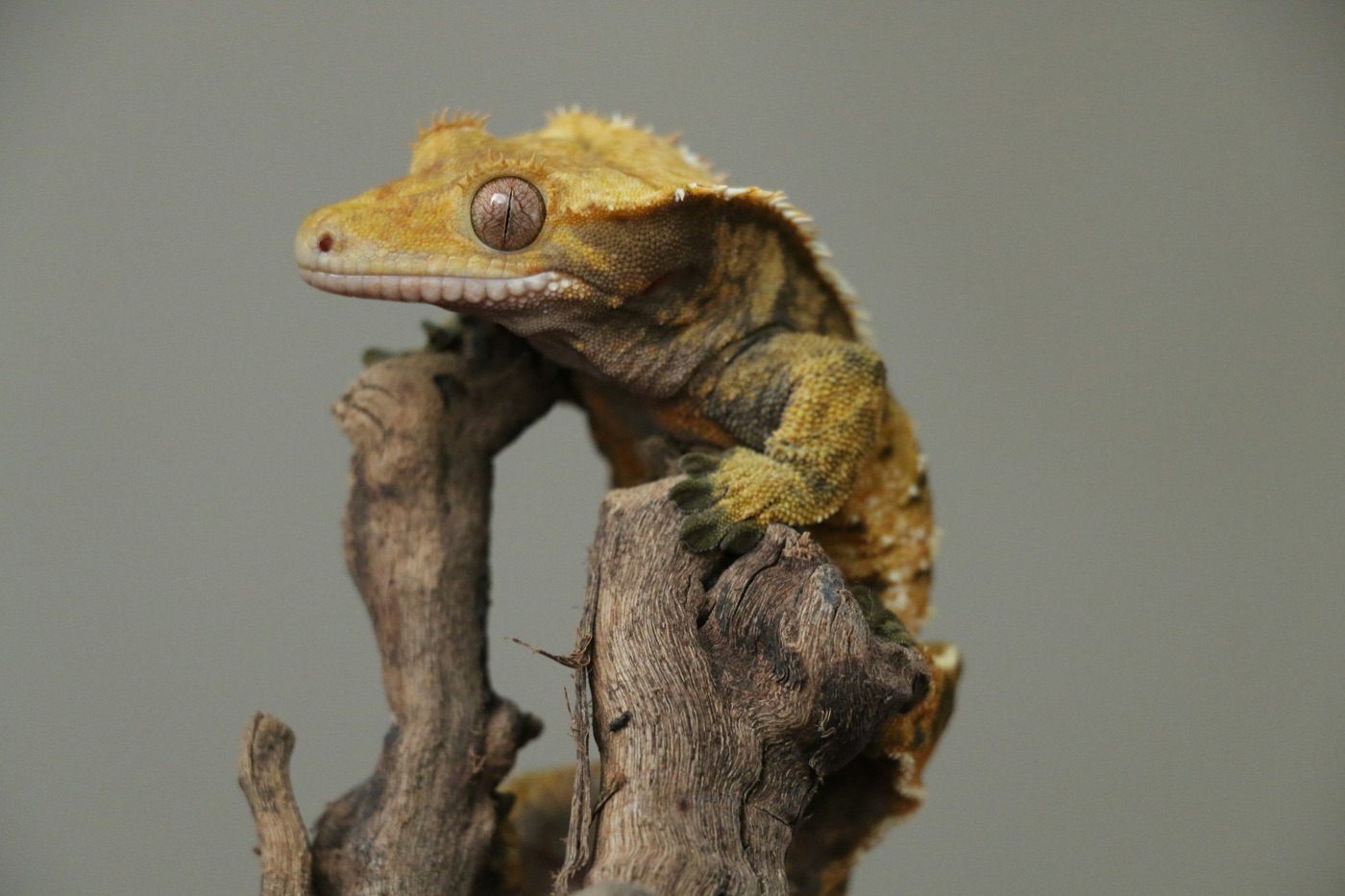
Crested Geckos(Correlophus ciliatus) are tree dwelling reptiles that are most active during the evening and early morning hours. When properly cared for, they can live 15–20 years or even longer in captivity.
They originate from New Caledonia, a group of tropical islands known for their rich diversity of reptiles and amphibians. On average, Crested Geckos reach lengths of about 25 cm (10 inches) and typically weigh around 35 to 55 grams (1.2 to 1.9 ounces). Other species from the same region, such as Chahoua (Mossy Prehensile-Tailed) geckos and Gargoyle geckos, have very similar care requirements.
In captivity, Crested Geckos do best on a commercial crested gecko diet (CGD), supplemented occasionally with live insects. In their natural habitat, insects can make up as much as 60% of their diet. However, pet Crested Geckos are usually fed a powdered diet that is mixed with water to form a fruit-based puree. This prepared food is designed to provide balanced nutrition and may include fruit blends and added insect protein, depending on the variety.
These geckos are often described as calm and easy to handle, especially once they become accustomed to human interaction. That said, they can also be quite jumpy and cautious. One of their most unique traits is their ability to drop their tail when stressed or threatened. Unlike many other reptiles, a Crested Gecko’s tail does not regenerate. Individuals without tails are commonly nicknamed “Frogbutts,” and they continue to live perfectly healthy lives without it. In fact, many Crested Geckos found in the wild are already tailless.
Enclosure Size
Crested Geckos are semi arboreal, so they need more height than floor space in their enclosure.
Hatchlings (0–4 months): A large plastic temporary enclosure or ventilated storage box can be used for a short time before moving to a juvenile setup.
Juveniles (5–18 months): At least 30×30×45cm(12×12×18in).
Once they reach around 15g, they should be moved into an adult enclosure.
Bigger enclosures are always better, and Crested Geckos will make use of extra space like 60×45×90cm(24×18×36 in) or similar setups. Larger tanks will also need more plants, hides, and extra feeding and water stations to keep everything accessible.
Temperature
Crested Geckos should be kept between 22–26°C (70–80°F), with temperatures dropping to around 18°C (64°F) at night. Avoid going above 28°C (82°F), as this can stress and harm your gecko.
Depending on your location, extra heating may not be needed, but it’s a good idea to have a heat source ready in case temperatures drop.
Humidity
Humidity can be confusing, especially for tropical species like Crested Geckos. In the wild, they experience high humidity (70–80%), but it drops naturally throughout the day. In captivity, you need to recreate this pattern.
Keep humidity around 50% during the day when your gecko is resting, and raise it to 70–80% at night when it is active. If humidity drops below 40%, it can cause shedding problems and respiratory issues. Keeping it too high (70–80% all the time or above 80%) can also lead to respiratory infections and other health problems.
Lighting
Crested Geckos need 10–12 hours of light in spring and summer, and 8–10 hours in autumn and winter. Natural room light can be an option, but never place the tank in direct sunlight, as it can overheat.
If you use lights, make sure they are safe. Bulbs inside the tank should have a guard to prevent burns. Also, some lights produce heat, so always monitor temperatures and use a thermostat if needed.
UVB Lighting
UVB lighting is often used for Crested Geckos and is widely recommended by experienced keepers. It helps the body use calcium properly, which supports stronger bones and can also improve activity levels, behaviour, and overall health.
UVB can be used as a regular light source and should be run on a day/night cycle. Most setups use modern T5 UVB tubes, which provide more stable output than older T8 systems. These bulbs produce very little heat but still need to be replaced regularly (usually around once a year) to maintain correct UV levels. There are different strengths available.
Lower-output UVB (around 2.4%) is often the safest and most natural option, especially for heavily planted or close-range setups.
Moderate levels (around 5%) can also work well depending on distance and enclosure layout.
Higher levels like 7% can still be used in the right conditions, but only if the setup allows proper shading and distance so the gecko can avoid direct exposure.
Very strong UVB levels (10% and above) are generally not suitable, as Crested Geckos are low light, canopy dwelling reptiles and too much exposure may cause stress or eye/skin issues over time.
Diet
Crested Geckos are omnivorous, so they eat both plant-based and animal-based foods. In the wild, their diet is made up of mostly insects (around 60%), along with fruit (20%), small amounts of vertebrates (10%), and other natural nutrients like nectar and pollen (10%).
Young geckos should be fed daily, while adults can be fed every other day. Any uneaten food should be removed within 24–48 hours, depending on the product used. Always follow the feeding guidelines provided on your chosen crested gecko diet (CGD).
They also enjoy live insects, which provide extra nutrition and help with growth, especially in younger geckos. While live feeding isn’t required, it is highly recommended. If you can’t offer live prey, some CGD options include insect-based formulas as a good alternative.
Fruit can be given as an occasional treat, but it should not be a main part of the diet. Many fruits are high in sugar, which can lead to excess fat, and some are too acidic and may upset your gecko’s stomach. Avoid fruits like citrus, apples, and grapes. Safer options include banana, papaya, watermelon, and fig. Offer only a small amount and limit it to about once a month.
By providing the correct setup, balanced diet, and proper environmental conditions, Crested Geckos can thrive and live long, healthy lives in captivity. Paying attention to details like humidity, temperature, and feeding will make a big difference in their overall wellbeing. With consistent care and a well-maintained enclosure, these geckos can become hardy, low maintenance pets that are both fascinating and rewarding to keep.