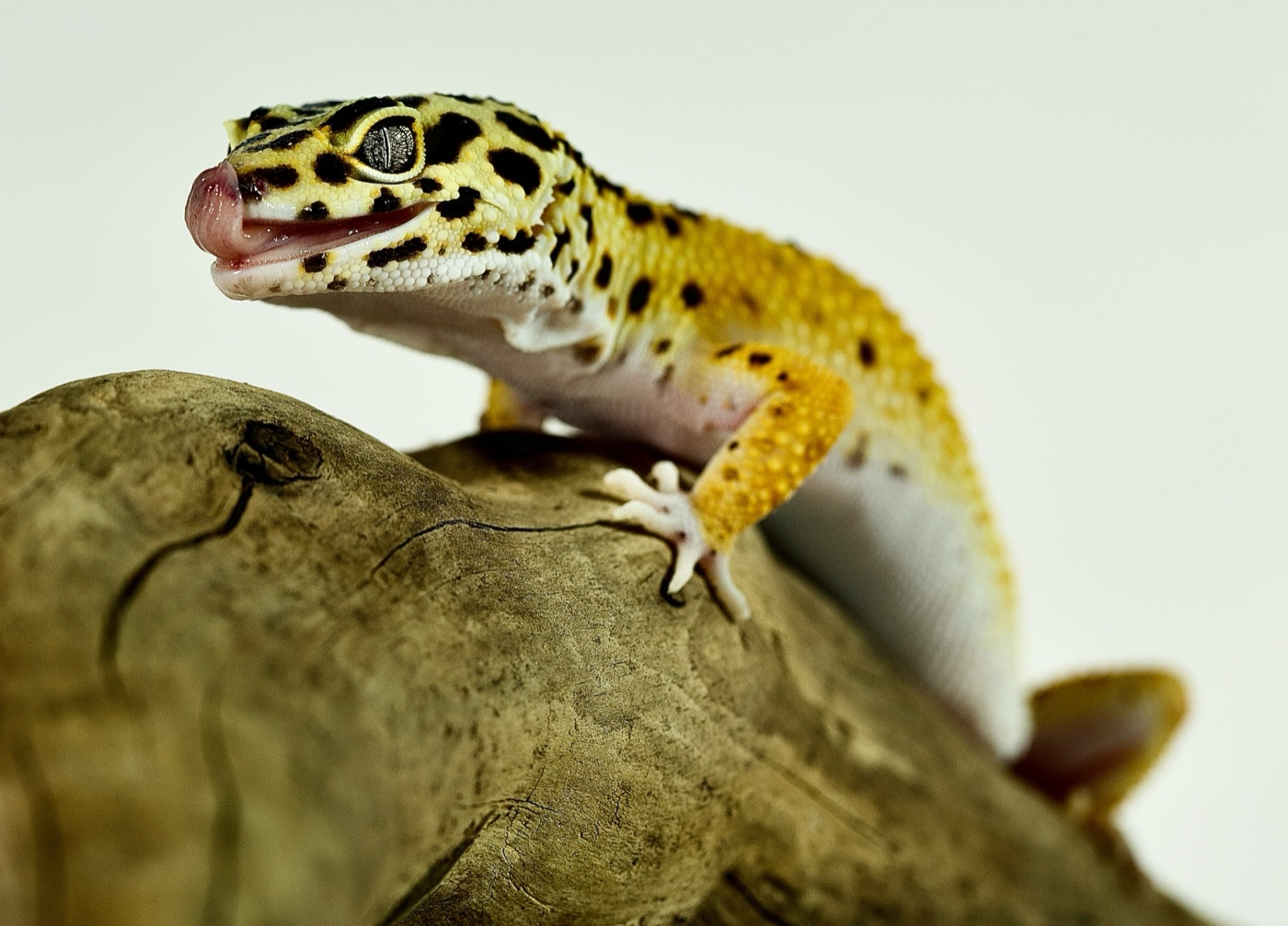
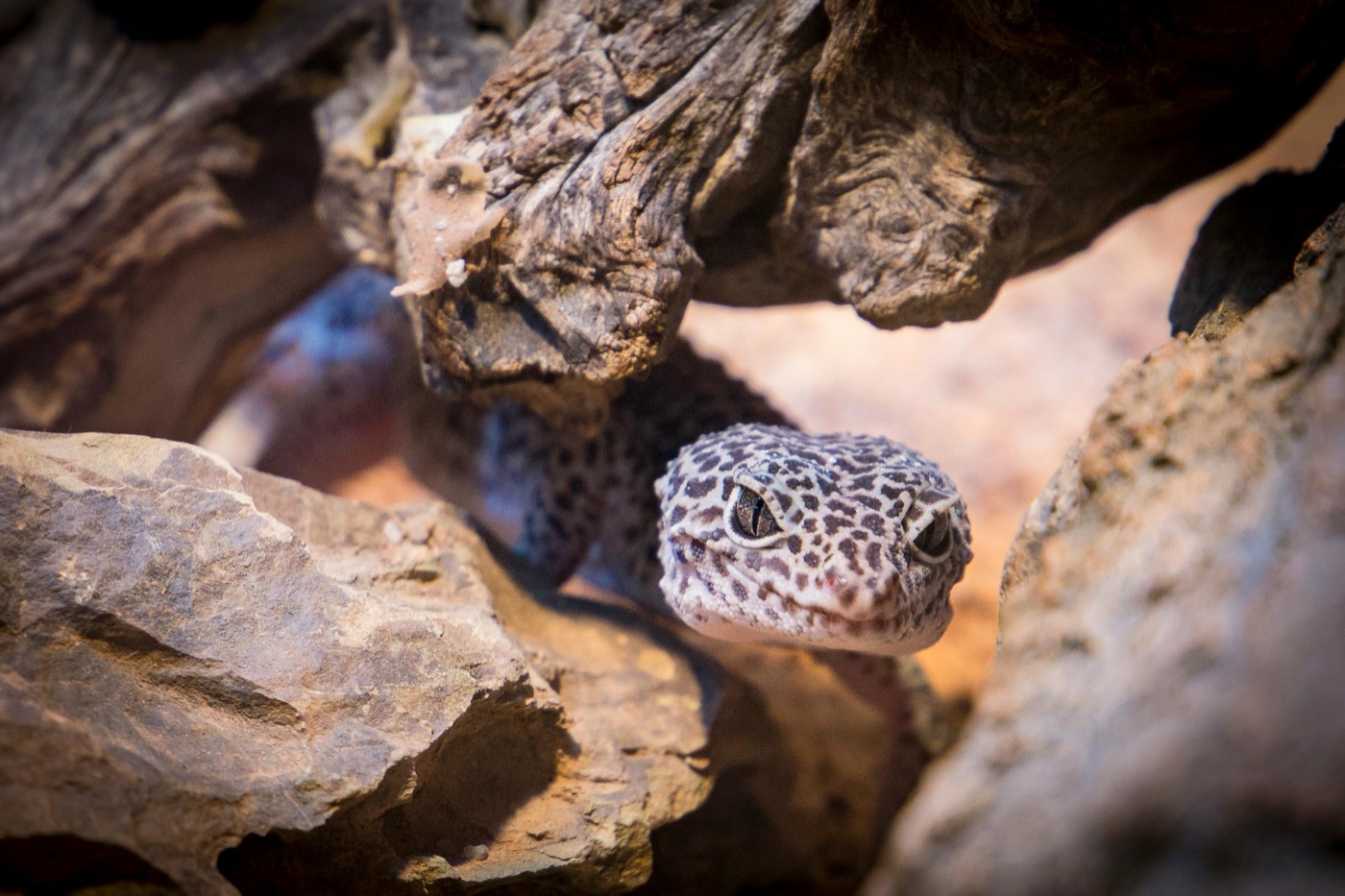
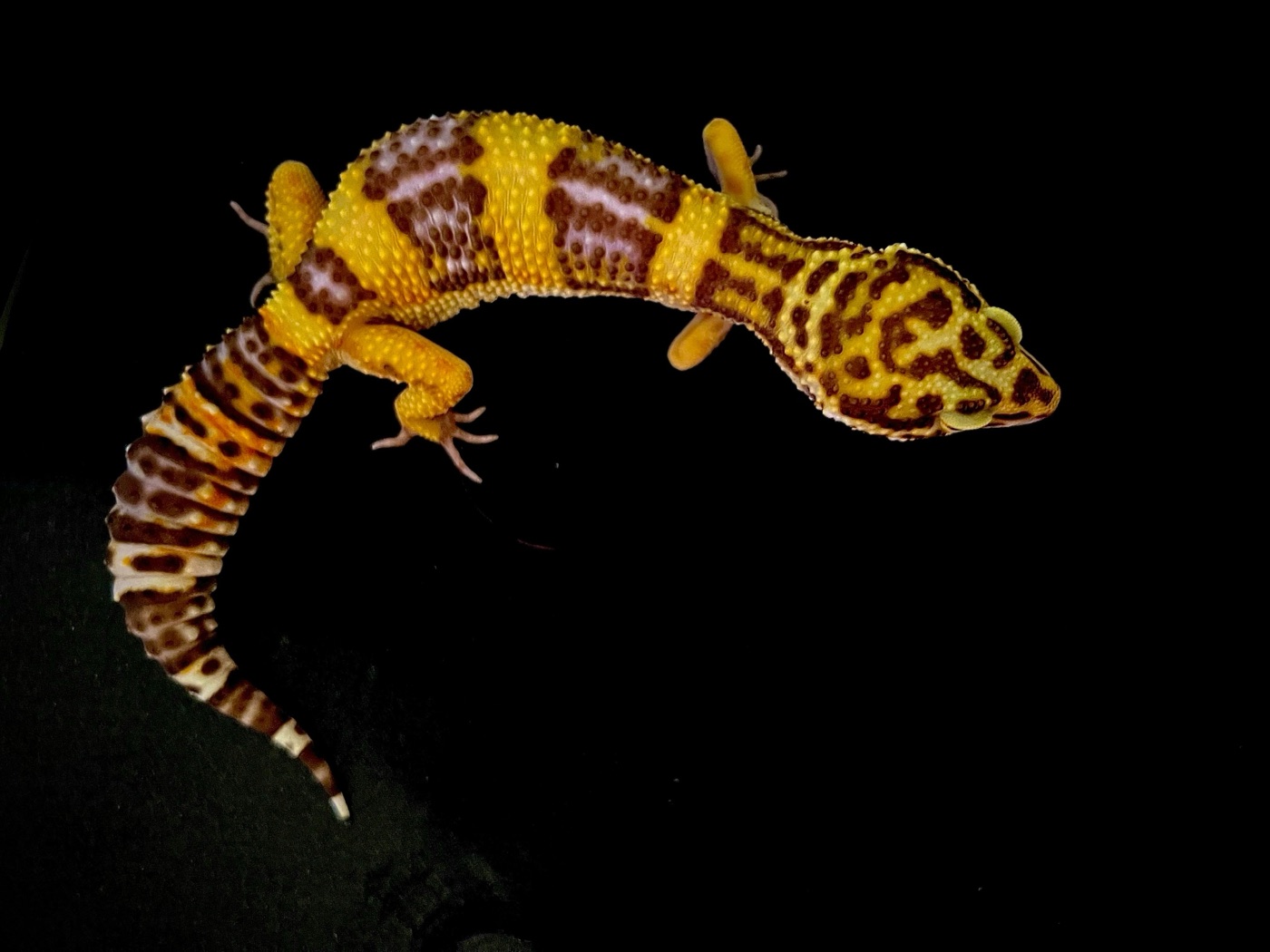
Leopard geckos (Eublepharis macularius) are one of the most popular pet reptiles in the world thanks to their calm nature, manageable size, and relatively simple care requirements.
They originate from the rocky, arid regions of Afghanistan, Pakistan, India, and parts of Iran, where they live in dry grasslands and deserts with plenty of hiding spots between rocks and burrows.
In the wild, leopard geckos are nocturnal, meaning they are most active during the night and early morning hours. They are ground dwelling lizards, not climbers like many other gecko species, which is why they prefer a habitat with lots of floor space and ground hides rather than tall structures.
When it comes to food, they are insectivores, feeding mainly on various insects. We will cover their diet in more detail later in this guide.
Leopard geckos typically live between 15 to 20 years in captivity when properly cared for, making them a long-term commitment. Their size is also very manageable, as most adults grow to around 18–25 cm (7–10 inches) in length and usually weigh between 40–80 grams, depending on genetics and diet.
Enclosure Size
Providing the correct enclosure size is very important for their health and comfort. Leopard geckos do not need tall tanks, but they do need enough floor space to explore and thermoregulate.
Hatchlings: A 10–20 gallon tank is usually enough
Juveniles: Around 20 gallons is ideal
Adults: Minimum 40 gallons, ideally around 90×45×45 cm(36×18×18inches)
Bigger is generally better as long as the enclosure is properly set up with warm and cool zones, hides and enrichment.
Temperature
Leopard geckos rely on external heat to regulate their body temperature, so creating a proper temperature gradient is essential.
Warm side: 32–34°C (90–93°F)
Cool side: 21–24°C (70–75°F)
Night temperature drop: 18–21°C (64–70°F)
Always provide a warm hide on the hot side and a cool hide on the cooler side so the gecko can choose its preferred temperature at any time.
Humidity
This geckos originate from dry environments, so they do not require high humidity.
A humid hide (usually a small enclosed box with damp moss or paper towel inside) is essential to help them shed their skin properly, especially during growth cycles.
Lighting
Leopard geckos are nocturnal, so they do not need intense lighting like diurnal reptiles. However, lighting still plays an important role in their health. A low-level UVB lighting (around 2–7%) is optional but beneficial and a normal day/night light cycle (12 hours light / 12 hours dark) is recommended.
Avoid overly bright or intense lights that can stress them. Even though they can survive without UVB, many keepers now recommend it for better calcium metabolism and overall health.
Diet
This species are insect eating reptiles and their diet should be varied for proper nutrition.
Common feeder insects include: Crickets Dubia roaches Mealworms Waxworms (as occasional treats only)
Young geckos should be fed more frequently (daily or every other day), while adults usually eat every 2–3 days.
All feeder insects should be properly gut-loaded and dusted with calcium and vitamin supplements to prevent deficiencies, especially metabolic bone disease.
Fresh, clean water should always be available in a shallow dish.
Leopard geckos are excellent reptiles for both beginners and experienced keepers. With the right setup, proper temperatures, correct humidity, a suitable enclosure, and a balanced diet they can live and healthy lives and become very calm, easy to handle pets. Their low maintenance nature combined with their unique appearance makes them a favorite in the reptile hobby worldwide.