← Back to BlogLizardsAugust 9, 2026
Bearded Dragon Care Guide
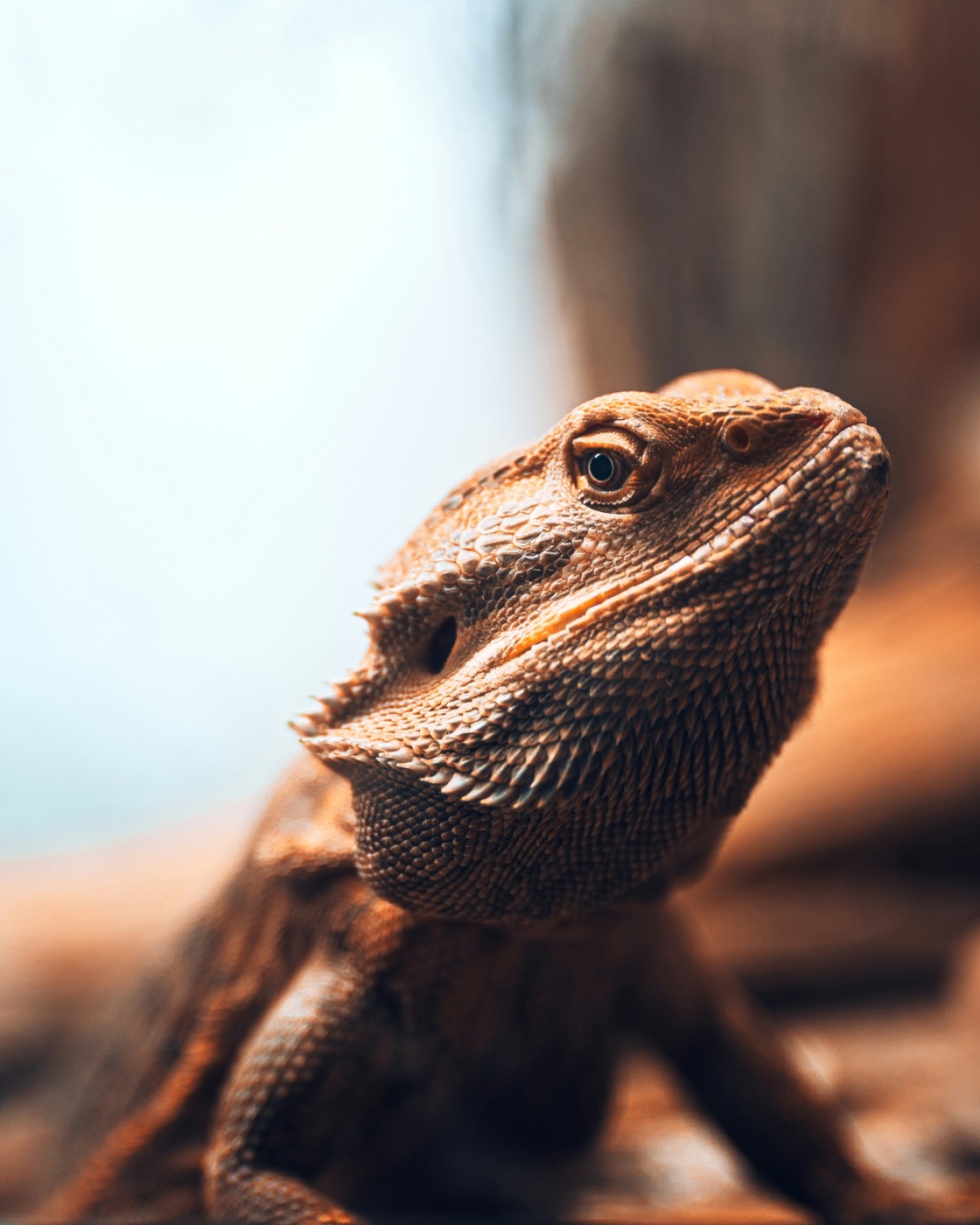
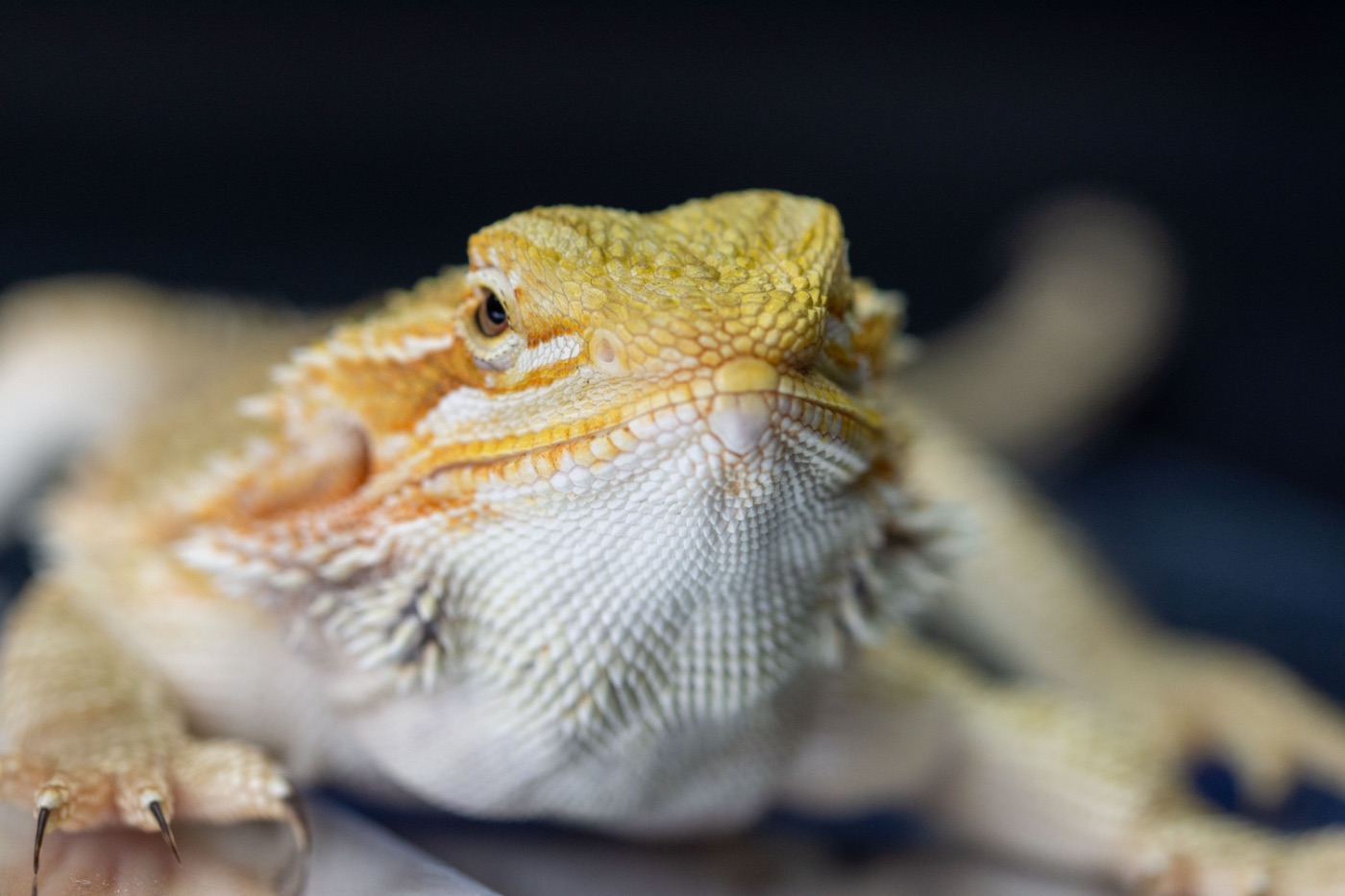
The Bearded Dragon (Pogona vitticeps) is a popular lizard native to the dry and semi-arid regions of central and eastern Australia. In the wild, they inhabit a variety of environments including open woodlands, savannas, scrublands, rocky areas and desert like regions. Their natural habitat is generally warm, dry and exposed to strong sunlight, with plenty of rocks, branches and open areas where they can bask.
Bearded Dragons are diurnal, meaning they are active during the day. They spend a significant amount of their time basking in the sun to raise their body temperature and become active. They are also excellent climbers and will often use rocks, branches and elevated surfaces to observe their surroundings.
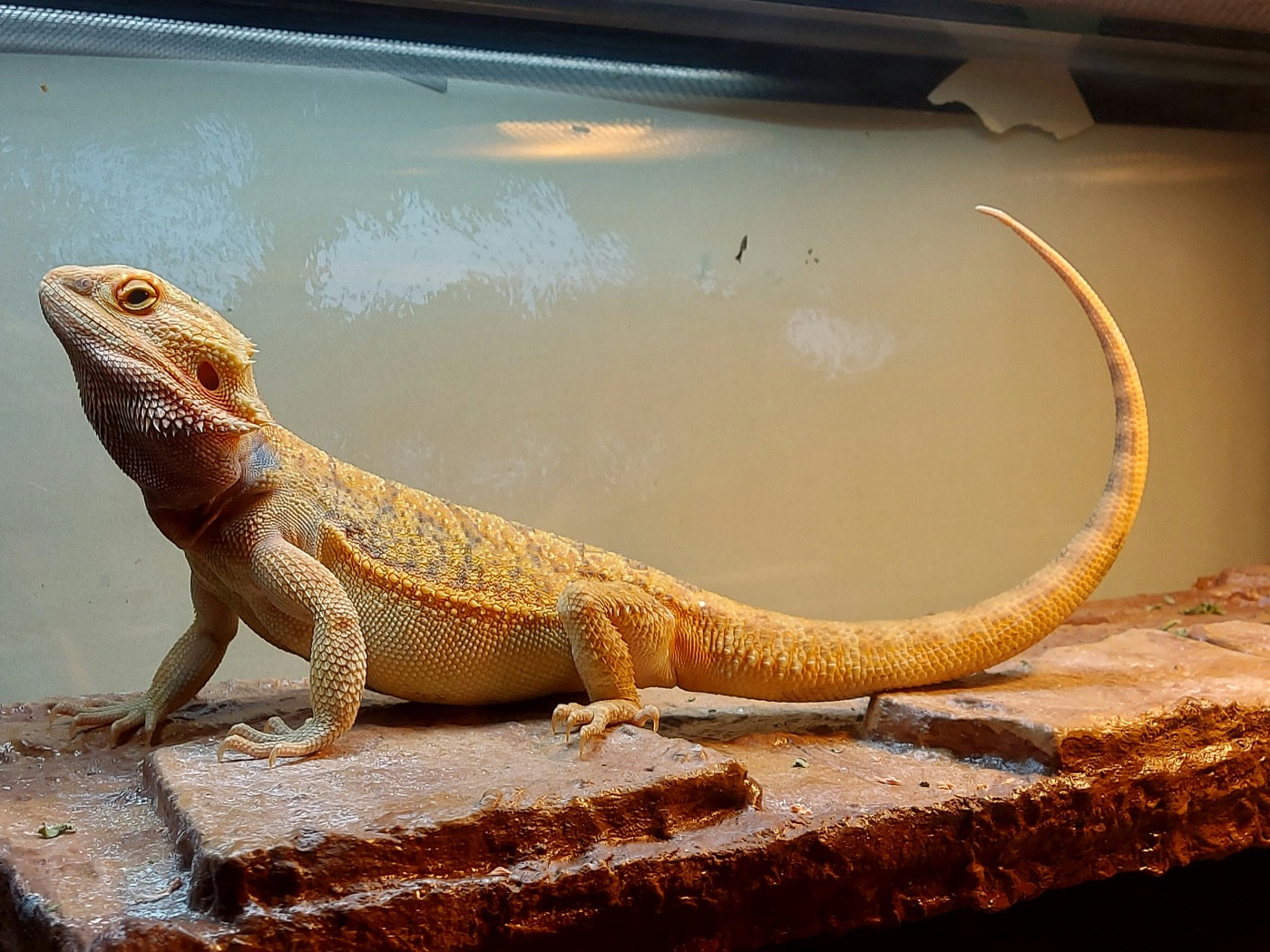
An adult Bearded Dragon usually reaches around 45–60 cm (17.7–23.6 inches) in total length, including the tail. Males are often larger and more robust than females. With proper care, a Bearded Dragon can commonly live for around 8–15 years, with some individuals reaching 20 years or more in captivity.
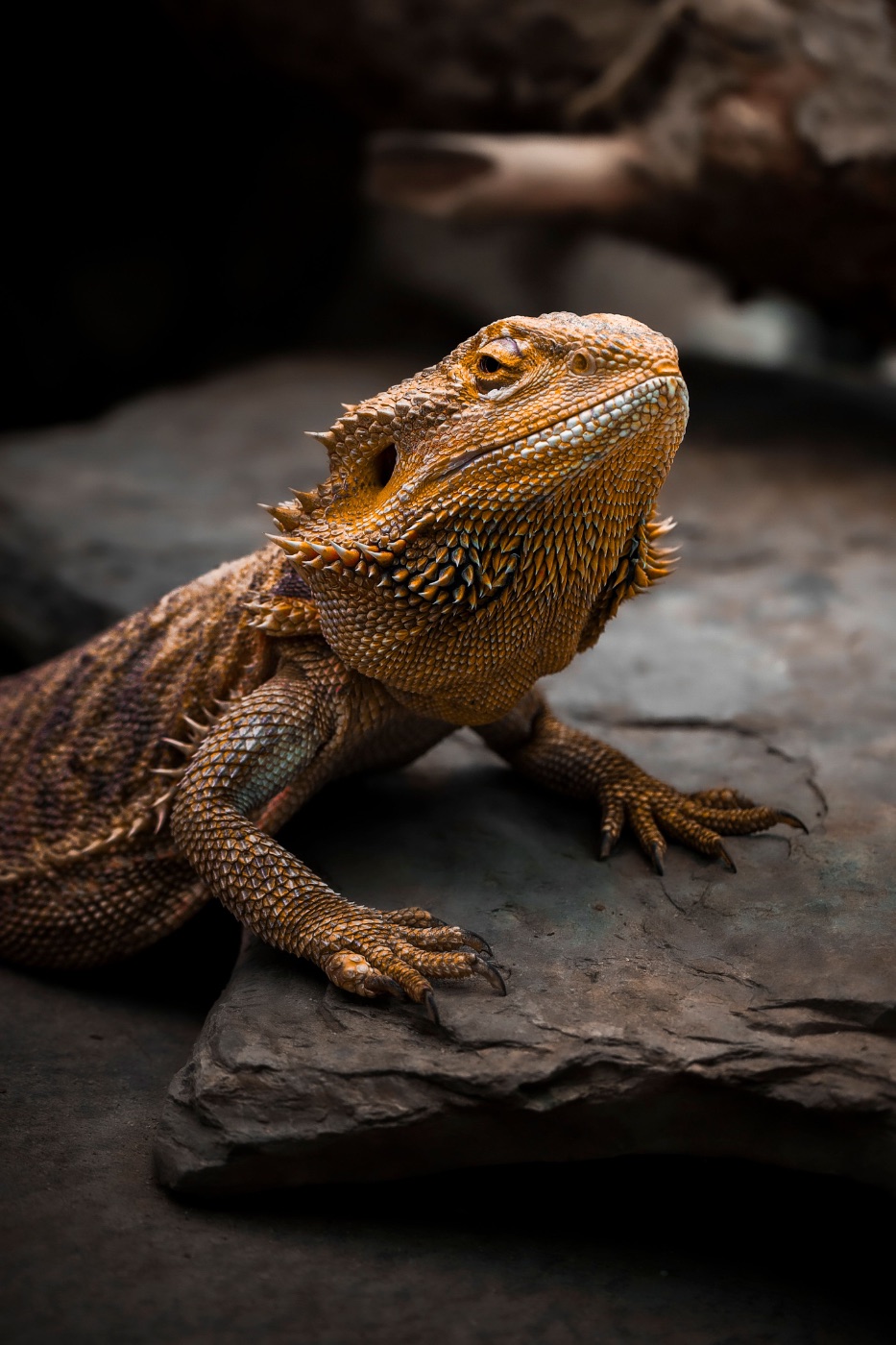
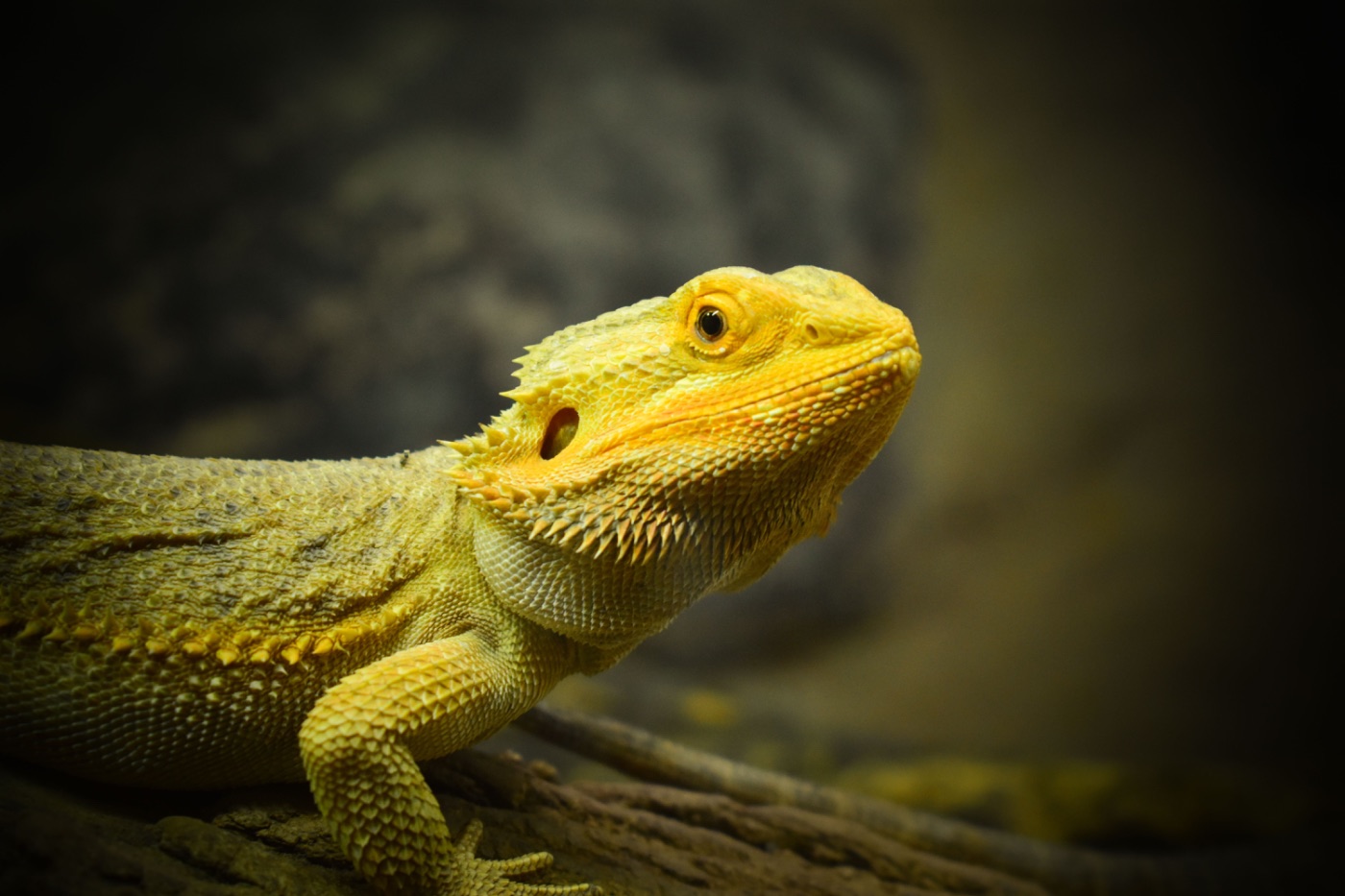
One of their most recognizable features is the expandable throat or “beard.” When threatened, stressed or displaying dominance, a Bearded Dragon can darken and puff out this area, giving the species its name. Despite this behavior, captive bred Bearded Dragons are generally calm, curious and can become very accustomed to human interaction.
Enclosure size
Bearded Dragons are active reptiles that need plenty of floor space to walk, explore, forage and exercise. The enclosure should also be large enough to provide a proper temperature gradient, with a hot basking area on one side and a cooler area on the opposite side.
Recommended Enclosure Sizes
Hatchlings/juveniles: At least 90×45×45cm (35.4×17.7×17.7″)
Sub-adults/Adults: At least 120×60×60cm (47.2×23.6×23.6″), with 150×60×60cm (59.1×23.6×23.6″) or larger being preferable.
For an adult Bearded Dragon, a 150×60×60cm (59.1×23.6×23.6″) enclosure provides significantly more space for natural movement, enrichment and the creation of a suitable temperature gradient.
Although Bearded Dragons are terrestrial animals, additional height can be useful for climbing structures and enrichment. However, floor space is more important than excessive height.
The enclosure should contain a variety of furnishings such as rocks, branches, hides, platforms and other safe decorations. These provide opportunities for climbing, basking, exploring and hiding.
The enclosure should always be large enough to create a clear hot to cool temperature gradient. A small enclosure can make it difficult for the dragon to move away from the heat source and regulate its body temperature properly.
Important: Bearded Dragons grow quickly, so upgrading through several enclosures can become expensive. When possible, providing an appropriately sized adult enclosure from a young age is often the better long-term option.
Substrate
The substrate used in a Bearded Dragon enclosure should be safe, easy to maintain and suitable for the animal's natural environment. Bearded Dragons naturally live on dry, sandy and rocky terrain, so the enclosure can be designed to replicate these conditions while still prioritizing safety and hygiene.
For young or inexperienced keepers, non-loose substrates are generally the easiest option.
Suitable choices include:
Safe Loose Substrates (Best for Healthy Adults):
Organic Topsoil and proper Sand Mix: A 50/50 or custom blend mimics their natural Australian environment and holds tunnels well.
Excavator Clay: Can be mixed with sand and soil or shaped to create solid, hard-packed digging areas.
Commercial Arid Mixes
An appropriate depth of loose substrate should be about 10–15 cm (4–6 inches) to support natural behavior such as digging or burrowing.
Avoid substrates such as:
Calcium/Vitamin sand - Can cause impaction if ingested and may harden in the digestive tract, especially in small animals.
Wood products (bark, shavings, etc.) - Can cause impaction if ingested and may produce splinters or dust that irritate the respiratory and digestive tracts, with some types also harboring natural oils or mold.
Crushed walnut shell - Has sharp fragments that can irritate or injure the digestive tract and poses an impaction risk if swallowed.
Cedar or pine-based substrates - Release aromatic oils (phenols) that can cause respiratory irritation and potential toxicity with prolonged exposure.
Cat litter - Can clump when wet, leading to dangerous blockages if ingested, and may also contain added chemicals or fragrances.
Gravel or small stones - Pose a high risk of ingestion and intestinal impaction or obstruction due to their size and hardness
Artificial substrates that can easily fray or be swallowed
Reptile carpet - Can snag on claws, potentially causing wear, tearing or injury
Hygiene
Regardless of the substrate used, good hygiene is essential. Remove feces and contaminated substrate as soon as possible and regularly clean and disinfect the enclosure and its furnishings.
The substrate should never be allowed to remain damp or heavily contaminated. A clean, dry enclosure helps reduce the risk of bacterial growth and other health problems.
Loose substrate should be replaced approximately every 6 months.
Cohabitation
Bearded Dragons are solitary animals and generally do not need the company of another dragon. In captivity, it is recommended to house Bearded Dragons individually.
Keeping two or more Bearded Dragons together can lead to competition, stress, injuries and aggression. Even if they appear to get along, one dragon may dominate access to food, basking areas, hides or other resources. This can result in the weaker animal becoming stressed or developing health problems over time.
Males should never be housed together, as they are territorial and may fight, potentially causing serious injuries. A male and female should also not be permanently housed together, as repeated breeding attempts can cause significant stress to the female and may result in injuries or other reproductive problems.
Females can sometimes appear to tolerate each other better, but this does not mean cohabitation is safe or necessary. Conflicts can occur without obvious warning.
For these reasons, the safest and most appropriate setup is one Bearded Dragon per enclosure. If multiple Bearded Dragons are kept, each animal should have its own appropriately sized enclosure with its own heating, UVB lighting, food, water and enrichment.
Temperature
Bearded Dragons are ectothermic (cold-blooded) reptiles, meaning they rely on external heat sources to regulate their body temperature. A properly set up enclosure must provide a clear temperature gradient, allowing the Bearded Dragon to move between warmer and cooler areas as needed.
Recommended Temperatures
Basking surface: 40–45°C
Warm side: 32–35°C
Cool side: 24–28°C
Nighttime: 16–24°C
The basking area should be the hottest part of the enclosure. The basking temperature should be measured at the actual surface where the Bearded Dragon sits, rather than simply measuring the air temperature. A temperature gun or suitable digital thermometer can be used to check the basking surface.
The opposite side of the enclosure should remain significantly cooler, ideally around 24–28°C. This allows the Bearded Dragon to move away from the heat when it needs to cool down.
At night, the enclosure should be allowed to cool naturally. Heating is generally not required if the temperature remains above approximately 16°C. A drop in temperature at night is natural and can be beneficial.
If temperatures regularly fall below 15.5°C, a suitable nonlight emitting heat source, such as a ceramic heat emitter controlled by an appropriate thermostat, can be used. At Exotic Lives, we also recommend our Reptizoo Ceramic Infrared Heat Emitter, which provides safe, consistent nighttime warmth without disrupting the day/night cycle. Heat lamps that produce visible light should not be used during the night, as Bearded Dragons require a normal day/night cycle.
Use digital thermometers to monitor the enclosure, with at least one thermometer on the warm side and another on the cool side. The basking surface should also be checked separately to ensure that it is reaching the correct temperature.
Temperatures should be checked regularly, as room temperature, season, enclosure size and the distance between the heat source and basking surface can all affect the enclosure's temperatures.
Providing the correct temperature gradient is essential for digestion, activity, metabolism and overall health. The Bearded Dragon should always have the ability to choose between the warm and cool areas rather than being forced to remain at one temperature.
Humidity
Bearded Dragons naturally come from dry and semi-arid regions of Australia, so they are adapted to relatively low humidity. In captivity, maintaining appropriate humidity is important for their respiratory health and overall wellbeing.
Recommended Humidity
The enclosure should generally have a relative humidity of around 30–50%, with short term increases being normal and usually not a concern.
Humidity does not need to be kept at exactly the same level throughout the day. It can naturally rise slightly at night and decrease again during the warmer daytime hours.
A digital hygrometer should be used to monitor humidity. Ideally, place the hygrometer around the middle or cooler area of the enclosure, away from the direct heat and basking lamp. Avoid placing the hygrometer directly underneath the heat source, as the reading may not accurately represent the overall enclosure humidity.
Consistently high humidity should be avoided. Poor ventilation combined with excessive moisture can create an unsuitable environment and may contribute to respiratory problems.
Avoid routinely misting the entire enclosure or keeping the substrate constantly wet. The enclosure should have good ventilation to allow excess moisture to escape.
A water bowl can be provided, but it should be kept clean and positioned away from the basking area to prevent unnecessary increases in humidity.
Shedding and Humidity
Bearded Dragons do not require high humidity to shed properly. Their dry natural environment means that shedding normally occurs without the need for a humid enclosure.
If a Bearded Dragon has difficulty shedding, do not simply increase the humidity of the entire enclosure. Instead, investigate the animal's overall husbandry, hydration, temperature and health. Never manually pull off skin that is still attached.
Lighting
Proper lighting is essential for Bearded Dragons because they are diurnal reptiles that are naturally exposed to strong sunlight in their Australian habitat. A suitable lighting setup should provide both UVB radiation and bright visible light during the day.
UVB Lighting
UVB is essential for Bearded Dragons because it allows their bodies to produce vitamin D3, which is necessary for absorbing and using calcium. Without proper UVB exposure, Bearded Dragons can develop serious health problems such as metabolic bone disease.
A 12% linear T5 tube is recommended rather than small compact or coil UVB bulbs. The UVB tube should cover a significant portion of the enclosure and be positioned so that the Bearded Dragon can access the appropriate UVB exposure while basking.
A UVB tube with an appropriate strength for the enclosure should be selected according to the distance between the bulb and the basking area, as well as whether the bulb is mounted inside or outside the enclosure. Always follow the manufacturer's recommended distance.
UVB bulbs gradually lose their effectiveness even when they still produce visible light, so they should be replaced according to the manufacturer's recommended replacement interval.
Daylight and Basking Light
A bright white basking lamp should be used to create the basking area and provide visible light. Bearded Dragons benefit from a bright daytime environment that resembles natural sunlight.
The basking lamp and UVB should overlap so that the Bearded Dragon receives UVB while using its basking area.
Avoid using red, blue or other colored bulbs during the day. A normal bright white light provides a more natural daytime environment.
Photoperiod
The enclosure should have a consistent day/night cycle. A schedule of approximately 10–12 hours of light per day is suitable for most captive Bearded Dragons.
All visible lighting should be switched off at night to allow the Bearded Dragon to experience a natural period of darkness.
Lighting Safety
All heat and UVB equipment should be securely installed and positioned at the correct distance from the Bearded Dragon. The animal must not be able to touch the hot bulb or climb close enough to the UVB tube to receive excessive exposure.
Lighting should be controlled with reliable timers where possible, making it easier to maintain a consistent daily schedule.
Important: UVB cannot be replaced by a normal LED or household light. A bright LED can provide visible light, but it does not provide the UVB required for proper calcium metabolism.
Diet
Bearded Dragons are omnivores, meaning they eat both plant matter and animal-based foods. Their diet should consist of a variety of appropriate insects, leafy greens, vegetables and occasional fruit.
The proportions of insects and plant matter should change as the Bearded Dragon grows. Young dragons require more protein to support rapid growth, while adults should eat predominantly plant matter.
Juveniles
Young Bearded Dragons should be offered appropriately sized live insects more frequently than adults.
Suitable feeders include:
Dubia roaches
Crickets
Black soldier fly larvae
Silkworms
Locusts
Insects should be appropriately sized. A good general rule is that the feeder should be no larger than the space between the Bearded Dragon's eyes.
Young dragons should also be offered fresh leafy greens and vegetables regularly, so they become accustomed to eating plant matter from an early age.
Adults
Adult Bearded Dragons should eat a diet consisting primarily of vegetables and leafy greens, with insects offered in moderation.
Good staple greens include:
Collard greens
Mustard greens
Turnip greens
Dandelion greens
Endive and escarole
Rocket (arugula)
Suitable vegetables can include:
Bell peppers
Squash
Carrots
Green beans
Peas
A variety of different vegetables and greens should be offered rather than relying on one food. This helps provide a broader range of nutrients.
Insects
Insects should be gut loaded before being offered to the Bearded Dragon. Gut loading means feeding the insects a nutritious diet before they are used as feeders, improving their nutritional value.
Feeder insects also should be lightly dusted with calcium powder before being offered to the Bearded Dragon. Calcium is essential for healthy bones, muscle function, and proper growth. A calcium supplement without added vitamin D3 like the Haquoss Repti Calcium Ultra, can generally be used when the Bearded Dragon has access to appropriate UVB lighting.
Vitamin D3 supplementation may also be used according to the animal's specific UVB setup and supplementation schedule.
The insects should only be lightly coated with calcium rather than heavily covered. Excessive supplementation should be avoided, as too much calcium or vitamin D3 can also cause health problems.
Avoid feeding wild caught insects, as they may contain pesticides, parasites or other harmful substances and also avoid insects that are too large, as oversized prey can cause digestive problems or other health complications.
Fruit
Fruit can be offered occasionally as a treat, but it should not form a significant part of the diet because of its high sugar content.
Suitable occasional fruits include:
Strawberries
Blueberries
Papaya
Mango
Melon
Fruit should be offered in small quantities and not as a daily food.
Foods to Avoid
Some foods should never be offered to Bearded Dragons.
Avoid:
Avocado
Rhubarb
Onions and garlic
Wild caught insects
Feeding Schedule
Hatchlings (0-5 months):
Insects once daily, allowing the dragon to eat as much as it wants within the feeding period
Salad offered daily, allowing the dragon to eat as much as it wants
Lightly dust all insects and salads with calcium powder
Add multivitamin powder to salads twice per week
Juveniles (6 to 12 months):
5–6 head sized insects daily
Salad offered daily, with a portion approximately ×3 the volume of the insects
Lightly dust all insects and salads with calcium powder
Supplement salads with multivitamin powder twice per week
Subadults/Adults (12+ months):
4–5 head-sized insects twice per week
Salad offered daily, with each portion approximately the size of the dragon’s head
Lightly dust all insects and salads with calcium powder
Provide multivitamin powder on salads once weekly
Handling
Bearded Dragons are generally calm and tolerant reptiles and can become comfortable with regular, gentle handling. However, every individual has its own personality, so handling should always be based on the animal's behavior and comfort level.
How to Handle a Bearded Dragon
Always approach the Bearded Dragon slowly and calmly, preferably from the side rather than suddenly reaching down from above. Sudden movements can startle the animal because predators may naturally approach from above. For newly dragons let them settle in for 2 weeks without handling.
When picking up your Bearded Dragon:
Place one hand underneath the chest and front legs.
Use your other hand to support the abdomen and hindquarters.
Keep the entire body and tail supported.
Hold the dragon close to your body or over a safe surface to prevent injuries if it moves or jumps.
Allow the dragon to walk between your hands rather than restraining it unnecessarily.
Never pick up a Bearded Dragon by its tail, legs, head, or beard.
Handling Duration
Start with short handling sessions, especially with a young or newly introduced Bearded Dragon. Gradually increase the duration as the animal becomes more comfortable.
If the dragon repeatedly tries to escape, becomes very dark, puffs up its beard, opens its mouth or shows other signs of stress, return it to its enclosure and allow it to calm down.
Avoid handling immediately after feeding, as excessive activity can interfere with digestion. It is also best to minimize handling while the dragon is shedding, unwel, or experiencing significant stress.
Hygiene
Always wash your hands before and after handling your Bearded Dragon. This helps prevent the transfer of bacteria between you, the animal and its enclosure.
Children should always be supervised when handling a Bearded Dragon to ensure that the animal is handled gently and securely.
Regular, gentle interaction can help build trust and allows the keeper to become familiar with the dragon's normal behavior, making it easier to notice changes that may indicate stress or illness.
Providing a Bearded Dragon with the correct environment, lighting, heating, nutrition and regular care is essential for a long and healthy life. While they are relatively hardy reptiles, their needs should always be taken seriously. A well designed enclosure and consistent husbandry will allow your Bearded Dragon to display natural behaviors, remain active and thrive in captivity.
Remember that every Bearded Dragon is an individual. Monitor its behavior, appetite, body condition and overall appearance and make adjustments to its care when necessary. If you notice persistent changes in behavior, eating habits or health, consult a qualified reptile veterinarian.